Hey there! As a supplier of solar light towers, I often get asked whether these nifty gadgets can be used in wildlife conservation areas. Well, let's dig into this topic and find out.
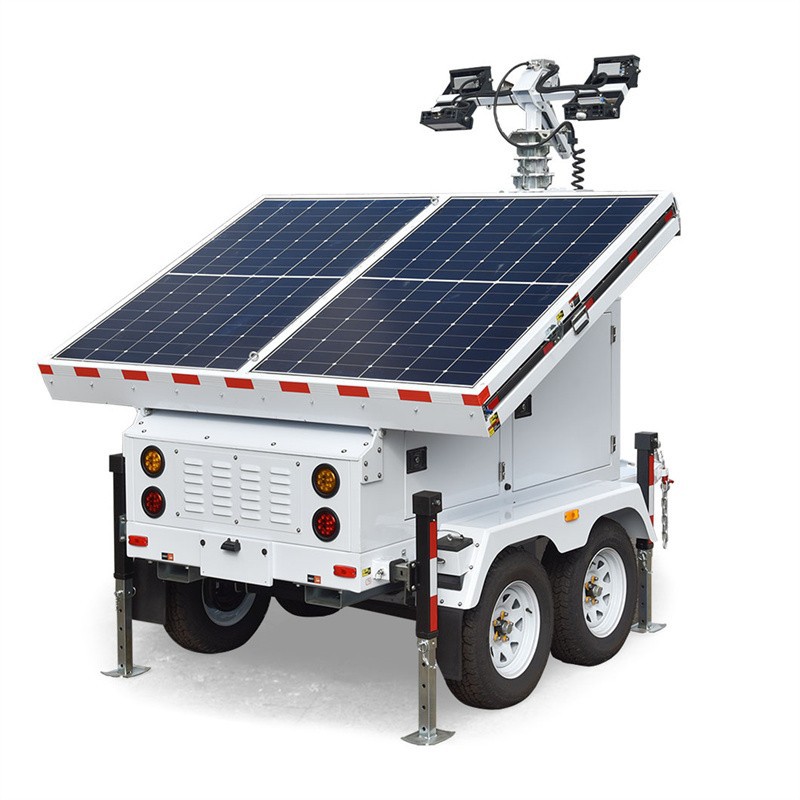
First off, let's talk about what solar light towers are. They're basically portable lighting systems that run on solar power. The solar panels soak up sunlight during the day and convert it into electricity, which is stored in batteries. Then, when it gets dark, the lights come on, providing illumination where it's needed. We've got some great models like the UST2400 Energy Saving Mobile Solar Energy Lighting Towers for Mining, the ULT-900 Mining Portable Emergency Solar Powered Lighting Tower 3 Panels, and the ULT-1200 Portable Battery Powered Led Lighting Tower for Construction Site. These babies are super efficient and can light up a good-sized area.
Now, the big question: Can they be used in wildlife conservation areas? The answer is, it depends. There are a few factors we need to consider.
Advantages of Using Solar Light Towers in Wildlife Conservation Areas
1. Energy - Efficiency and Sustainability
One of the biggest perks of solar light towers is that they're eco - friendly. In wildlife conservation areas, the goal is to protect the environment, and using solar power aligns perfectly with that mission. Solar energy is renewable, which means we're not depleting the Earth's resources. Unlike traditional lighting systems that rely on fossil fuels, solar light towers don't emit harmful greenhouse gases. This helps in maintaining the air quality and reducing the overall carbon footprint of the conservation area.
2. Low Maintenance
Solar light towers are relatively low - maintenance. Once they're set up, there aren't a whole lot of moving parts that can break down. You don't have to worry about constantly refueling or replacing expensive parts. This is a huge plus in conservation areas, where resources might be limited, and it's important to keep costs down.
3. Flexibility
These light towers are portable, which means they can be easily moved around the conservation area as needed. Whether it's for a research project, a monitoring station, or a temporary event, you can set up the light tower wherever you need it. This flexibility is really useful in a large and diverse conservation area.
4. Safety
In some cases, having proper lighting can enhance safety in the conservation area. For example, if there are staff or volunteers working at night, the light towers can help them avoid hazards like uneven terrain or wildlife that might pose a danger. It also deters potential intruders, which is important for protecting the wildlife and the area's resources.
Potential Challenges and How to Overcome Them
1. Impact on Wildlife Behavior
One of the main concerns is that artificial light can disrupt the behavior of wildlife. Many animals are nocturnal, and sudden or bright lights can throw off their natural rhythms. For example, some birds might become disoriented during migration, and sea turtles can be confused when they're trying to find their way to the ocean.
To mitigate this, we can use lights with adjustable brightness and color temperature. Red or amber lights are less likely to disrupt wildlife compared to white or blue lights. We can also set up the light towers in a way that minimizes the spread of light. For example, using shields or aiming the lights downwards can help keep the light focused on the area where it's needed and reduce the impact on the surrounding wildlife.
2. Installation and Permissions
Installing solar light towers in a conservation area might require special permissions from the relevant authorities. There are usually strict regulations in place to protect the environment and wildlife. Before setting up any equipment, it's important to do your homework and get all the necessary approvals. This might involve working closely with the conservation area management team and providing detailed plans about the installation and how it will minimize any negative impacts.
3. Weather Conditions
Conservation areas can have all sorts of weather conditions, from extreme heat to heavy rain and snow. Solar panels need sunlight to generate power, so in areas with long periods of cloudy weather, the light towers might not work as effectively. To deal with this, we can use light towers with larger battery capacities. This way, they can store more energy during sunny days and still provide light during cloudy or rainy periods.
Real - World Examples
There have been some successful implementations of solar light towers in wildlife conservation areas. In some African national parks, solar light towers have been used at research stations. They've provided the necessary lighting for scientists to conduct night - time research on animals without causing significant disruptions to the wildlife. The low - maintenance and energy - efficient nature of the light towers have also been a big advantage, especially in areas where access to resources is limited.

Conclusion
So, to sum it up, solar light towers can definitely be used in wildlife conservation areas, but we need to be careful. By taking steps to minimize the impact on wildlife and following the proper regulations, we can enjoy the benefits of these energy - efficient and flexible lighting systems.
If you're involved in a wildlife conservation area and think solar light towers could be a good fit for your needs, I'd love to have a chat with you. Whether it's about choosing the right model, understanding the installation process, or discussing how to mitigate any potential challenges, I'm here to help. Let's work together to find the best lighting solution for your conservation area.
References
- Scientific studies on the impact of artificial light on wildlife behavior.
- Case studies of solar light tower installations in conservation areas.
- Manufacturer's specifications and guidelines for solar light towers.