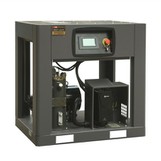
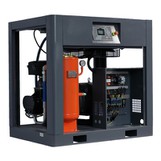
A piston air compressor is a reliable and widely used device in various industries, including manufacturing, construction, and mining. However, the compressed air it produces often contains moisture, which can lead to corrosion, equipment damage, and reduced efficiency. Installing a moisture separator on your piston air compressor can effectively remove this moisture, ensuring clean and dry compressed air. As a piston air compressor supplier, we understand the importance of this process and are here to guide you through it.


Understanding the Need for a Moisture Separator
Compressed air is a mixture of gases and water vapor. When air is compressed, the water vapor condenses into liquid water, which can cause significant problems in pneumatic systems. Moisture can lead to rust and corrosion in pipes, valves, and other components, reducing their lifespan and increasing maintenance costs. It can also cause freeze-ups in cold environments, leading to system failures. Additionally, moisture in compressed air can affect the quality of the end product in manufacturing processes, such as painting and powder coating.
A moisture separator is a crucial component in a compressed air system. It works by removing the majority of the liquid water and some of the suspended water vapor from the compressed air. This not only protects your equipment but also improves the efficiency and reliability of your pneumatic tools and processes.
Choosing the Right Moisture Separator
Before installing a moisture separator, you need to choose the right one for your piston air compressor. There are several types of moisture separators available, including centrifugal, coalescing, and refrigerated separators. The type you choose will depend on several factors, such as the air flow rate, the level of moisture in the compressed air, and the specific requirements of your application.
- Centrifugal Separators: These are the most basic type of moisture separators. They work by using centrifugal force to separate the liquid water from the compressed air. As the compressed air enters the separator, it is forced to spin rapidly, causing the heavier water droplets to move to the outer edge of the separator and collect at the bottom.
- Coalescing Separators: These separators use a filter element to trap and coalesce the tiny water droplets in the compressed air. As the air passes through the filter, the water droplets stick to the filter media and combine to form larger droplets, which then drain out of the separator.
- Refrigerated Separators: These are the most effective type of moisture separators. They work by cooling the compressed air to a temperature where the water vapor condenses into liquid water. The liquid water is then drained out of the separator, and the cooled air is reheated before being sent to the pneumatic system.
As a piston air compressor supplier, we can help you choose the right moisture separator for your specific needs. Our experts can provide you with detailed information about the different types of separators and their advantages and disadvantages.
Tools and Materials Required
Before you start the installation process, you need to gather the necessary tools and materials. Here is a list of items you will need:
- Moisture separator
- Pipe wrenches
- Teflon tape
- Pipe fittings
- Safety glasses
- Gloves
Step-by-Step Installation Guide
Now that you have chosen the right moisture separator and gathered the necessary tools and materials, you can start the installation process. Here is a step-by-step guide on how to install a moisture separator on a piston air compressor:
Step 1: Turn off the Compressor
Before you start working on the compressor, make sure it is turned off and that the power supply is disconnected. This will prevent any accidents or injuries during the installation process.
Step 2: Locate the Compressed Air Outlet
Find the compressed air outlet on your piston air compressor. This is usually located near the top of the compressor tank.
Step 3: Prepare the Pipe Fittings
Using the pipe wrenches, remove the existing pipe fitting from the compressed air outlet. Wrap the threads of the new pipe fitting with Teflon tape to create a leak-proof seal.
Step 4: Connect the Moisture Separator
Connect the moisture separator to the pipe fitting on the compressed air outlet. Make sure the separator is properly aligned and tightened using the pipe wrenches.
Step 5: Install the Drain Line
Install a drain line on the moisture separator. This will allow the collected water to drain out of the separator. Connect one end of the drain line to the drain port on the separator and the other end to a suitable drain or collection container.
Step 6: Connect the Inlet and Outlet Pipes
Connect the inlet and outlet pipes to the moisture separator. The inlet pipe should be connected to the compressed air outlet on the compressor, and the outlet pipe should be connected to the pneumatic system. Make sure the pipes are properly aligned and tightened using the pipe wrenches.
Step 7: Check for Leaks
Once the installation is complete, turn on the compressor and check for any leaks. Look for any signs of air or water leakage around the connections and fittings. If you find any leaks, tighten the connections or replace the faulty parts.
Step 8: Test the System
After checking for leaks, test the system to ensure that the moisture separator is working properly. Monitor the pressure and flow rate of the compressed air and check the drain line for any signs of water discharge.
Maintenance and Troubleshooting
To ensure the long-term performance of your moisture separator, it is important to perform regular maintenance. Here are some maintenance tips:
- Check the Drain Valve: Regularly check the drain valve on the moisture separator to make sure it is working properly. Clean or replace the valve if necessary.
- Replace the Filter Element: If your moisture separator uses a filter element, replace it according to the manufacturer's recommendations. A clogged filter element can reduce the efficiency of the separator.
- Inspect the Pipes and Fittings: Regularly inspect the pipes and fittings for any signs of damage or wear. Replace any faulty parts as soon as possible.
If you encounter any problems with your moisture separator, here are some troubleshooting tips:
- No Water Discharge: If the drain line is not discharging any water, the drain valve may be clogged or malfunctioning. Check the valve and clean or replace it if necessary.
- High Moisture Content in Compressed Air: If the compressed air still contains a high level of moisture after passing through the separator, the separator may be undersized or malfunctioning. Contact a professional for assistance.
- Air Leakage: If you notice any air leakage around the connections or fittings, tighten the connections or replace the faulty parts.
Conclusion
Installing a moisture separator on your piston air compressor is a simple and effective way to protect your equipment and improve the efficiency of your pneumatic system. As a piston air compressor supplier, we offer a wide range of high-quality moisture separators and can provide you with the support and guidance you need to install and maintain them.
If you are interested in purchasing a W-2.8/5 Diesel 15kw Belt Driven Piston Air Compressor Pneumatic Jack Hammer, a W-3.5/5 Mining Piston Type Air Compressor Head 3 Pistons for Rock Drilling, or a 2V-4/5 Mining Diesel Portable Belt Driven 4 Piston Air Compressor, or if you have any questions about installing a moisture separator on your piston air compressor, please contact us. Our team of experts is ready to assist you with your purchase and provide you with the best solutions for your needs.
References
- Compressed Air and Gas Institute (CAGI). (2023). Compressed Air Handbook.
- Pneumatic Academy. (2023). Moisture Separation in Compressed Air Systems.
- Quincy Compressor. (2023). How to Choose the Right Moisture Separator.