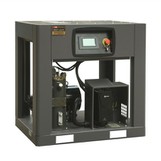
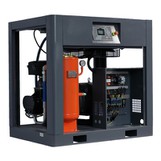
An electric screw compressor is a crucial piece of equipment in various industrial applications, known for its efficiency, reliability, and durability. As a leading supplier of electric screw compressors, I am often asked about the working principle of these machines. In this blog post, I will delve into the details of how an electric screw compressor operates, shedding light on its inner workings and the benefits it offers.
Basic Components of an Electric Screw Compressor
Before we explore the working principle, it's essential to understand the key components of an electric screw compressor. These include:
- Screw Rotors: The heart of the compressor, the screw rotors are two helical-shaped rotors that mesh together. One rotor is the male rotor, and the other is the female rotor. They rotate in opposite directions to compress the air.
- Motor: The electric motor provides the power to drive the screw rotors. It converts electrical energy into mechanical energy, enabling the rotors to rotate at high speeds.
- Air Inlet: The air inlet is where the ambient air enters the compressor. It is equipped with a filter to remove dust and other contaminants from the incoming air.
- Compression Chamber: The compression chamber is the space between the screw rotors where the air is compressed. As the rotors rotate, the volume of the compression chamber decreases, causing the air to be compressed.
- Air Outlet: The compressed air exits the compressor through the air outlet. It is then directed to the desired application, such as a pneumatic tool or a manufacturing process.
- Lubrication System: The lubrication system is responsible for providing lubrication to the screw rotors and other moving parts. It helps reduce friction and wear, ensuring smooth operation and extending the lifespan of the compressor.
Working Principle of an Electric Screw Compressor
The working principle of an electric screw compressor can be divided into four main stages: intake, compression, discharge, and cooling. Let's take a closer look at each stage:
Intake Stage
The intake stage begins when the compressor is started. The electric motor drives the screw rotors to rotate in opposite directions. As the rotors rotate, the volume of the compression chamber increases, creating a vacuum. This vacuum draws the ambient air into the compressor through the air inlet. The air passes through the air filter, which removes dust and other contaminants, ensuring clean air enters the compression chamber.


Compression Stage
Once the air enters the compression chamber, the screw rotors continue to rotate. As the rotors mesh together, the volume of the compression chamber decreases, compressing the air. The compression process is continuous, with the air being compressed as it moves along the length of the rotors. The compression ratio, which is the ratio of the discharge pressure to the intake pressure, determines the amount of compression achieved.
Discharge Stage
When the air reaches the desired pressure, it is discharged from the compression chamber through the air outlet. The compressed air is then directed to the desired application, such as a pneumatic tool or a manufacturing process. The discharge pressure is regulated by a pressure relief valve, which ensures that the pressure does not exceed the safe operating limit of the compressor.
Cooling Stage
During the compression process, the air temperature increases due to the compression work. To prevent overheating, the compressor is equipped with a cooling system. The cooling system can be either air-cooled or water-cooled. In an air-cooled compressor, the compressed air is cooled by passing it through a heat exchanger, where it is cooled by the ambient air. In a water-cooled compressor, the compressed air is cooled by passing it through a water-cooled heat exchanger, where it is cooled by water.
Benefits of Electric Screw Compressors
Electric screw compressors offer several benefits over other types of compressors, including:
- High Efficiency: Electric screw compressors are known for their high efficiency. They can achieve a high compression ratio with relatively low energy consumption, resulting in significant energy savings.
- Reliability: Electric screw compressors are designed to be reliable and durable. They have fewer moving parts compared to other types of compressors, reducing the risk of breakdowns and maintenance requirements.
- Low Noise Level: Electric screw compressors operate at a low noise level, making them suitable for use in noise-sensitive environments.
- Variable Speed Control: Many electric screw compressors are equipped with variable speed control, which allows the compressor to adjust its output to match the demand. This helps reduce energy consumption and improve efficiency.
- Easy Maintenance: Electric screw compressors are relatively easy to maintain. They require regular oil changes, filter replacements, and inspections to ensure optimal performance.
Applications of Electric Screw Compressors
Electric screw compressors are widely used in various industrial applications, including:
- Manufacturing: Electric screw compressors are used in manufacturing processes to power pneumatic tools, such as drills, grinders, and spray guns. They are also used in automated production lines to control the movement of machinery and equipment.
- Mining: Electric screw compressors are used in mining operations to provide compressed air for drilling, ventilation, and other applications. They are designed to withstand harsh environmental conditions and provide reliable performance.
- Construction: Electric screw compressors are used in construction sites to power pneumatic tools, such as jackhammers, nail guns, and concrete vibrators. They are also used to provide compressed air for sandblasting and painting.
- Food and Beverage: Electric screw compressors are used in the food and beverage industry to provide compressed air for packaging, bottling, and other applications. They are designed to meet strict hygiene standards and ensure the quality and safety of the products.
- Medical: Electric screw compressors are used in medical facilities to provide compressed air for respiratory equipment, such as ventilators and nebulizers. They are designed to meet strict medical standards and ensure the safety and comfort of the patients.
Our Electric Screw Compressor Products
As a leading supplier of electric screw compressors, we offer a wide range of products to meet the diverse needs of our customers. Our products include:
- 132kw Electric Trailer Type Screw Air Compressor Machinery 18 Bar: This compressor is designed for mobile applications, such as construction sites and mining operations. It is mounted on a trailer for easy transportation and can provide a high volume of compressed air at a pressure of up to 18 bar.
- 90kw Small Electric Single Stage Portable Screw Compressor Machine: This compressor is suitable for small-scale applications, such as workshops and garages. It is compact and portable, making it easy to move around and use in different locations.
- 75kw Mobile Electric Rotary Screw Air Compressor for Mining: This compressor is specifically designed for mining applications. It is built to withstand the harsh conditions of mining operations and can provide a reliable source of compressed air for drilling, ventilation, and other applications.
Contact Us for Procurement and Negotiation
If you are interested in purchasing an electric screw compressor or have any questions about our products, please feel free to contact us. Our team of experts will be happy to assist you and provide you with the information you need. We are committed to providing high-quality products and excellent customer service, and we look forward to working with you.
References
- Compressed Air and Gas Handbook, 4th Edition, by George F. Bloch and Thomas R. Budris
- Industrial Compressors Handbook: Principles and Practice, by Heinz P. Bloch and Fred K. Geitner
- Screw Compressors: Principles and Practice, by D. S. Kumar and R. K. Singh