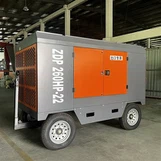
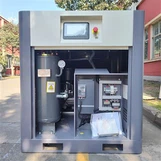
Hey there! As a supplier of piston air compressors, I've seen firsthand how important it is to keep these machines in top - notch condition. One of the routine maintenance tasks that you might encounter is replacing the belt on a piston air compressor. In this blog, I'll walk you through the steps to replace the belt, and along the way, I'll also introduce some of our cool piston air compressors.


Why Belt Replacement Matters
Before we dive into the replacement process, let's talk about why it's crucial to replace a worn - out belt. The belt in a piston air compressor is like the heart's arteries; it transfers power from the motor to the compressor pump. If the belt is loose, frayed, or damaged, it won't transfer power efficiently. This can lead to reduced compressor performance, increased energy consumption, and even potential damage to other components of the compressor.
Tools You'll Need
To replace the belt on your piston air compressor, you'll need a few basic tools:
- A set of wrenches: You'll need different sizes to loosen and tighten bolts.
- A belt tension gauge: This helps you ensure the belt is properly tensioned.
- Safety gloves and goggles: Safety first, always!
Step - by - Step Belt Replacement
Step 1: Safety First
Before you start working on the compressor, make sure it's completely turned off and unplugged from the power source. If it's a diesel - powered compressor, turn off the engine and let it cool down. This prevents any accidental starts that could cause serious injury.
Step 2: Locate the Belt Cover
Most piston air compressors have a belt cover that protects the belt from dust, debris, and accidental contact. Use your wrench to remove the bolts or screws holding the cover in place. Carefully set the cover aside.
Step 3: Inspect the Belt
Once the cover is off, take a good look at the belt. Check for signs of wear such as cracks, fraying, or glazing. If the belt looks worn, it's definitely time for a replacement. Also, note the type, size, and configuration of the belt. You'll need this information when you go to buy a new one.
Step 4: Loosen the Motor Mount
The motor is usually mounted on adjustable brackets. Use your wrenches to loosen the bolts on the motor mount. This will allow you to move the motor and relieve the tension on the belt.
Step 5: Remove the Old Belt
With the tension relieved, simply slide the old belt off the pulleys. Be careful not to let it fall into any hard - to - reach areas inside the compressor.
Step 6: Install the New Belt
Take your new belt and carefully slide it onto the pulleys. Make sure it's properly seated in the grooves of each pulley. It should fit snugly but not be too tight.
Step 7: Adjust the Belt Tension
This is a critical step. Use your belt tension gauge to measure the tension of the belt. You want the belt to have just the right amount of give. If it's too loose, it will slip on the pulleys; if it's too tight, it can put excessive stress on the motor and bearings. Adjust the position of the motor by tightening or loosening the bolts on the motor mount until the belt tension is correct.
Step 8: Reinstall the Belt Cover
Once the belt is properly installed and tensioned, put the belt cover back on. Secure it with the bolts or screws you removed earlier.
Our Piston Air Compressors
We offer a wide range of piston air compressors to meet different needs. For example, the W - 3.2/7 Mine Portable Diesel Piston Engine Air Compressor is perfect for mining applications. It's portable and powerful, making it easy to use in various mining sites.
If you're looking for a more compact option, the W - 1.8/5 Diesel Motor 11kw Mini Air Compressor Piston Type Used with Rock Drill is a great choice. It's small but mighty, ideal for use with rock drills.
And for those in the mining industry who need a high - performance compressor head, our W - 3.5/5 Mining Piston Type Air Compressor Head 3 Pistons for Rock Drilling is top - notch. It's designed to withstand the rigors of rock drilling.
Conclusion
Replacing the belt on a piston air compressor is a relatively simple task that you can do with a few basic tools and some patience. By following the steps outlined in this blog, you can ensure your compressor runs smoothly and efficiently.
If you're in the market for a new piston air compressor or need replacement parts, we're here to help. Our team of experts can assist you in choosing the right compressor for your needs. Don't hesitate to reach out to us for more information or to start a purchase negotiation.
References
- Compressor Maintenance Handbook
- Piston Air Compressor Manufacturer's Manuals