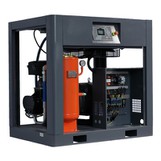
As a supplier of electric screw compressors, I've always been enthusiastic about promoting the advantages of these remarkable machines. They offer high efficiency, reliability, and a range of features that make them suitable for various industrial applications. However, like any technology, electric screw compressors are not without their disadvantages. In this blog post, I'll delve into some of these drawbacks to provide a balanced perspective for potential customers.
High Initial Cost
One of the most significant disadvantages of electric screw compressors is their relatively high initial cost. Compared to other types of compressors, such as reciprocating compressors, electric screw compressors require a more substantial upfront investment. This is due to the complex design and advanced technology involved in their manufacturing. The precision-engineered rotors, high-quality bearings, and sophisticated control systems all contribute to the higher price tag.
For small businesses or startups with limited budgets, this cost can be a major deterrent. Even larger companies may need to carefully evaluate the return on investment before committing to purchasing an electric screw compressor. However, it's important to note that while the initial cost is higher, electric screw compressors often offer long-term savings in terms of energy efficiency and reduced maintenance requirements.
Energy Consumption at Low Loads
Electric screw compressors are known for their energy efficiency at full load. However, their performance can decline significantly when operating at low loads. At partial loads, the compressor may continue to consume a relatively large amount of energy, even though it's not producing as much compressed air. This is because the compressor's motor and other components are still running, even if they're not being fully utilized.
This inefficiency at low loads can result in higher energy costs over time. To mitigate this issue, some electric screw compressors are equipped with variable speed drives (VSDs) that allow the compressor to adjust its speed based on the demand for compressed air. VSDs can significantly improve energy efficiency at low loads, but they also add to the initial cost of the compressor.
Noise Generation
Another drawback of electric screw compressors is the noise they generate during operation. The rotating rotors and other moving parts create vibrations and noise that can be a nuisance in certain environments. In industrial settings, this noise may not be a significant issue, but in more sensitive areas such as offices or hospitals, it can be a major concern.
To reduce noise levels, electric screw compressors are often equipped with sound enclosures or silencers. These additional components can help to dampen the noise, but they also add to the cost and size of the compressor. In some cases, the noise may still be audible, especially if the compressor is located in a small or poorly ventilated space.
Maintenance Requirements
While electric screw compressors are generally considered to be reliable and low-maintenance machines, they still require regular maintenance to ensure optimal performance. The compressor's rotors, bearings, and other components need to be inspected and lubricated periodically to prevent wear and tear. Additionally, the air filters and oil filters need to be replaced regularly to maintain the quality of the compressed air.
Maintenance tasks can be time-consuming and expensive, especially if they require specialized tools or expertise. In some cases, it may be necessary to hire a professional maintenance technician to perform the maintenance tasks. This can add to the overall cost of owning and operating an electric screw compressor.
Limited Compression Ratio
Electric screw compressors typically have a limited compression ratio compared to other types of compressors, such as centrifugal compressors. The compression ratio is the ratio of the discharge pressure to the suction pressure of the compressor. A higher compression ratio means that the compressor can produce compressed air at a higher pressure.
In applications where high-pressure compressed air is required, electric screw compressors may not be the best choice. For example, in some industrial processes, such as pneumatic conveying or high-pressure cleaning, a compression ratio of 10:1 or higher may be required. Electric screw compressors typically have a maximum compression ratio of around 8:1, which may not be sufficient for these applications.
Environmental Impact
The environmental impact of electric screw compressors is another factor that needs to be considered. While electric screw compressors are generally more energy-efficient than other types of compressors, they still consume electricity, which is often generated from non-renewable sources. Additionally, the compressor's lubricating oil and other components may contain hazardous substances that need to be disposed of properly.
To minimize the environmental impact of electric screw compressors, it's important to choose a compressor that is energy-efficient and uses environmentally friendly lubricants. Additionally, proper maintenance and disposal of the compressor's components can help to reduce the environmental impact.
Conclusion
In conclusion, while electric screw compressors offer many advantages, they also have several disadvantages that need to be considered. The high initial cost, energy consumption at low loads, noise generation, maintenance requirements, limited compression ratio, and environmental impact are all factors that potential customers should take into account when evaluating whether an electric screw compressor is the right choice for their application.
At our company, we offer a range of electric screw compressors, including the 75kw Mobile Electric Rotary Screw Air Compressor for Mining, KYLC-18.5/13DY Best Electric Portable Screw Air Compressor Machine, and 132kw Electric Trailer Type Screw Air Compressor Machinery 18 Bar. Our team of experts can help you evaluate your specific needs and determine the best compressor for your application. If you're interested in learning more about our products or have any questions, please don't hesitate to contact us to start a procurement discussion.


References
- Compressor Handbook, by Klaus Brun and Eckard Specht
- Industrial Compressed Air Systems, by Peter Jackson
- Air Compressor Technology, by Heinz P. Bloch and Fred K. Geitner