What is the refrigerant filter of an inverter screw compressor?
Hey there! As a supplier of inverter screw compressors, I often get asked about the refrigerant filter. So, let's dive into what it is and why it's so important.
First off, an inverter screw compressor is a pretty nifty piece of equipment. It's used in a whole bunch of applications, from industrial cooling systems to HVAC setups. The inverter part allows it to adjust its speed according to the load, which is super energy - efficient. And the screw compressor mechanism itself is known for its reliability and smooth operation.
Now, onto the refrigerant filter. The refrigerant filter, as the name suggests, is a crucial component that's used to filter the refrigerant that circulates within the inverter screw compressor system. Refrigerant is like the life - blood of the compressor. It carries heat away from the area that needs cooling and releases it somewhere else. But along the way, the refrigerant can pick up all sorts of contaminants.
These contaminants can be anything from tiny metal shavings, which might come from the normal wear and tear of the compressor's internal parts, to dirt and debris that could enter the system through leaks or poor installation. Moisture is also a common problem. If there's moisture in the refrigerant, it can react with other substances in the system to form acids. These acids can corrode the internal components of the compressor, leading to costly repairs and even system failure.
The refrigerant filter plays a key role in keeping these contaminants at bay. It's designed to trap and remove solid particles, such as dirt and metal debris. Most filters have a fine mesh or porous media that allows the refrigerant to pass through but catches the larger particles. Some advanced filters are also capable of removing moisture. They might use desiccants, which are substances that can absorb water.
Let's talk about the types of refrigerant filters. There are generally two main types: the inline filter and the suction line filter. The inline filter is installed directly in the refrigerant line. It can be placed at various points in the system, depending on the specific design and requirements. This type of filter is great for catching contaminants that are flowing with the refrigerant as it moves through the system.
The suction line filter, on the other hand, is installed on the suction side of the compressor. It's mainly there to protect the compressor from any contaminants that might be drawn in along with the refrigerant vapor. This is important because if contaminants reach the compressor, they can cause damage to the screws, bearings, and other critical parts.
Now, why is it so important to have a good refrigerant filter in an inverter screw compressor? Well, for starters, it helps to maintain the efficiency of the compressor. When the refrigerant is clean, it can flow more freely through the system. This means that the compressor doesn't have to work as hard to move the refrigerant around, which in turn reduces energy consumption.
A clean refrigerant also ensures better heat transfer. Since the refrigerant is responsible for carrying heat, any contaminants in it can act as an insulator, reducing the effectiveness of the heat transfer process. With a proper filter in place, the refrigerant can transfer heat more efficiently, keeping the cooling system running at its best.
Another big reason is the longevity of the compressor. By removing contaminants, the filter helps to prevent wear and tear on the internal components. This means that the compressor is less likely to break down, and it can have a longer service life. And let's face it, replacing a compressor is a major expense, so anything we can do to extend its lifespan is a win.
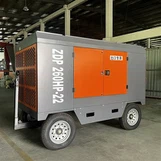
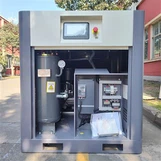
At our company, we offer a range of inverter screw compressors that come with high - quality refrigerant filters. For example, our RM160Ⅱ - 34/8 Lubricated Rotary Screw Twin Screw Drive Air Compressor is designed to provide reliable performance, and its refrigerant filter ensures that the compressor operates smoothly. And our LB20 Energy - saving Mini Rotary Screw Air Compressor 20 Hp 10 Bar is a great option for smaller applications, with a filter that's optimized for its size. Also, the ZD20 Variable Frequency VSD Screw Air Compressor 15kw 20hp is known for its energy - saving capabilities, and the refrigerant filter plays a part in maintaining its efficiency.
When it comes to maintenance, the refrigerant filter needs to be checked and replaced regularly. The frequency of replacement depends on various factors, such as the operating environment of the compressor. If the compressor is in a dirty or dusty area, the filter might need to be replaced more often. Generally, it's a good idea to follow the manufacturer's guidelines for filter replacement.


In conclusion, the refrigerant filter is an essential part of an inverter screw compressor. It keeps the refrigerant clean, helps to maintain the efficiency of the compressor, and extends its lifespan. If you're in the market for an inverter screw compressor, make sure to pay attention to the quality of the refrigerant filter. And if you have any questions or are interested in purchasing one of our compressors, don't hesitate to reach out for a procurement discussion. We're here to help you find the best solution for your needs.
References:
- Industry standards and best practices for inverter screw compressor maintenance
- Product manuals for our inverter screw compressors