

Horizontal drilling is a revolutionary technique in the oil and gas industry, as well as in geothermal and mining sectors. It allows access to resources that are otherwise difficult to reach, increasing efficiency and productivity. At the heart of this process lies the drill pipe, a crucial component that plays a pivotal role in the success of horizontal drilling operations. As a trusted drill pipe supplier, I am excited to share insights into how a drill pipe functions in horizontal drilling.

The Basics of Drill Pipe
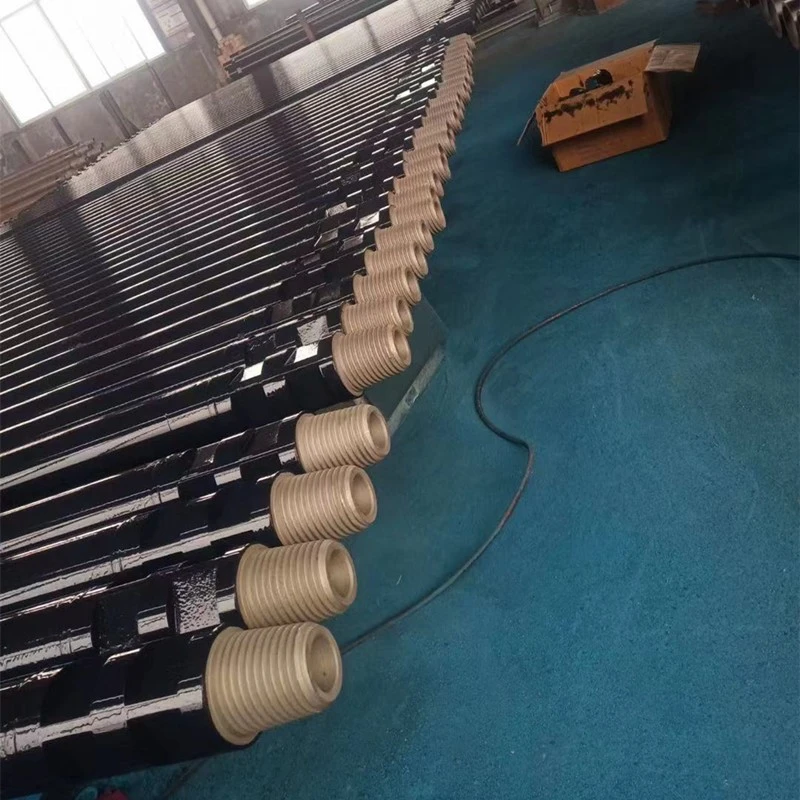
Before delving into its role in horizontal drilling, it's essential to understand what a drill pipe is. A drill pipe is a long, seamless tube made of high - strength steel. It serves as a conduit for drilling fluid, known as mud, which cools the drill bit, removes cuttings from the borehole, and provides hydrostatic pressure to prevent well blowouts. The drill pipe also transmits torque and weight from the drilling rig to the drill bit, enabling the bit to break through rock formations.
Function in Horizontal Drilling
1. Torque Transmission
In horizontal drilling, the drill pipe must transmit a significant amount of torque from the surface rig to the drill bit. As the wellbore extends horizontally, the frictional forces between the drill pipe and the borehole wall increase. This requires the drill pipe to have sufficient torsional strength to overcome these forces and rotate the drill bit effectively. Our drill pipes are engineered with high - quality steel and advanced manufacturing processes to ensure optimal torque transmission. For instance, the Tapered Drill Pipe Rod 1.5m for Jack Hammer Use is designed to handle high - torque applications, making it suitable for horizontal drilling operations.
2. Weight Transfer
Weight transfer is another critical function of the drill pipe in horizontal drilling. The drill bit needs a certain amount of weight on it to penetrate the rock. However, in horizontal wells, gravity does not act directly to apply weight on the bit as it does in vertical wells. The drill pipe must be able to transfer the weight from the surface to the bit through the horizontal section of the wellbore. This is achieved through a combination of the drill pipe's stiffness and the hydraulic pressure of the drilling mud. Our ZD - 89 DTH 89mm Drilling Rig Rod Pipe is designed with the right balance of stiffness and strength to ensure efficient weight transfer, even in long - reach horizontal wells.
3. Drilling Fluid Circulation
Drilling fluid circulation is vital for horizontal drilling. The drill pipe serves as the pathway for the drilling mud to flow from the surface to the drill bit and back to the surface. The mud cools the drill bit, lubricates the drill pipe, and carries the cuttings out of the wellbore. In horizontal wells, maintaining proper fluid circulation is more challenging due to the increased length and the horizontal orientation of the wellbore. Our drill pipes are designed with smooth inner surfaces to minimize friction and ensure efficient fluid flow. This helps in preventing cuttings from settling in the wellbore, which could lead to blockages and other drilling problems.
4. Directional Control
Horizontal drilling often requires precise directional control to reach the target reservoir. The drill pipe can be equipped with specialized tools, such as steering motors and measurement - while - drilling (MWD) tools, to control the direction of the wellbore. The drill pipe must be able to support these tools and transmit the necessary signals and power. Our drill pipes are designed to accommodate these advanced tools, providing a stable platform for directional drilling operations.
Challenges in Horizontal Drilling and Drill Pipe Solutions
1. Friction and Wear
One of the main challenges in horizontal drilling is the high friction and wear between the drill pipe and the borehole wall. This can lead to premature failure of the drill pipe and increased drilling costs. To address this issue, our drill pipes are coated with wear - resistant materials. These coatings reduce the coefficient of friction between the drill pipe and the borehole wall, minimizing wear and extending the service life of the drill pipe.
2. Fatigue
The drill pipe is subjected to cyclic loading during horizontal drilling, which can cause fatigue failure. Fatigue occurs when the drill pipe is repeatedly stressed below its yield strength, leading to the initiation and propagation of cracks. Our drill pipes are manufactured using advanced heat - treatment processes to improve their fatigue resistance. This ensures that the drill pipe can withstand the cyclic loading encountered in horizontal drilling operations.
3. Corrosion
Drilling fluids and the formation fluids in the wellbore can be corrosive to the drill pipe. Corrosion can weaken the drill pipe and reduce its strength. To prevent corrosion, our drill pipes are treated with anti - corrosion coatings and inhibitors. These protective measures help to maintain the integrity of the drill pipe and prevent costly failures.
Importance of Quality Drill Pipes in Horizontal Drilling
Using high - quality drill pipes is essential for the success of horizontal drilling operations. A reliable drill pipe ensures efficient torque transmission, weight transfer, and fluid circulation, which are critical for achieving the desired drilling performance. It also reduces the risk of downtime due to drill pipe failures, saving time and money. As a drill pipe supplier, we are committed to providing our customers with the highest - quality drill pipes that meet the demanding requirements of horizontal drilling.
Contact Us for Your Drill Pipe Needs
If you are involved in horizontal drilling operations and are looking for high - quality drill pipes, we are here to help. Our team of experts can provide you with customized solutions based on your specific requirements. Whether you need a single drill pipe or a complete drilling string, we have the products and expertise to meet your needs. Contact us today to discuss your drill pipe requirements and start a successful partnership.
References
- Bourgoyne, A. T., Chenevert, M. E., Millheim, K. K., & Young, F. S. (1986). Applied Drilling Engineering. Society of Petroleum Engineers.
- API Specification 5DP, Specification for Drill Pipe, American Petroleum Institute.


