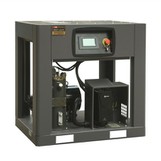
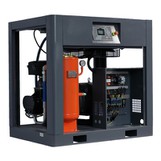
As a rock drill air compressor supplier, I understand the crucial role that these machines play in various industries, especially in mining, construction, and quarrying. A well - optimized rock drill air compressor can significantly enhance productivity, reduce operational costs, and extend the lifespan of the equipment. In this blog, I will share some practical tips on how to optimize the performance of a rock drill air compressor.
1. Regular Maintenance
Regular maintenance is the cornerstone of optimizing the performance of any air compressor. For rock drill air compressors, this involves several key aspects.
Air Filter Replacement
The air filter is responsible for preventing dust, dirt, and other contaminants from entering the compressor. Over time, the air filter can become clogged, which restricts the airflow. This not only reduces the efficiency of the compressor but also puts additional strain on the motor. As a general rule, air filters should be inspected monthly and replaced every 3 - 6 months, depending on the operating environment. If the compressor is used in a dusty or dirty environment, more frequent replacements may be necessary.
Oil Change
Most rock drill air compressors use oil for lubrication, cooling, and sealing. The oil in the compressor needs to be changed regularly to maintain its properties. Old oil can break down over time, losing its lubricating ability and forming sludge, which can damage the compressor components. It is recommended to change the oil every 500 - 1000 operating hours. When changing the oil, make sure to use the oil recommended by the manufacturer.
Belt Tension Check
In belt - driven air compressors, the belts transfer power from the motor to the compressor pump. If the belts are too loose, they can slip, reducing the efficiency of the power transfer. On the other hand, if the belts are too tight, they can cause excessive wear on the bearings and other components. Check the belt tension regularly and adjust it as needed. A simple way to check the belt tension is to press down on the belt midway between the pulleys. It should deflect about 1/2 - 3/4 inch.
2. Proper Installation
The way a rock drill air compressor is installed can have a significant impact on its performance.
Location Selection
Choose a location that is well - ventilated. Adequate ventilation helps to dissipate the heat generated by the compressor during operation. A hot compressor operates less efficiently and is more prone to breakdowns. The location should also be dry and free from excessive dust and moisture. Avoid installing the compressor near sources of heat, such as furnaces or direct sunlight.
Level Installation
The compressor should be installed on a level surface. An uneven installation can cause excessive vibration, which can damage the compressor components and reduce its lifespan. Use a spirit level to ensure that the compressor is perfectly level.


Piping Layout
Proper piping layout is essential for efficient air delivery. Use pipes of the appropriate size to minimize pressure drop. A large pressure drop in the piping system can reduce the air pressure at the rock drill, affecting its performance. Also, make sure to use high - quality pipes and fittings to prevent air leaks.
3. Correct Sizing
Selecting the right - sized air compressor for your rock drill is crucial. An undersized compressor will not be able to supply enough air to the rock drill, resulting in poor performance. On the other hand, an oversized compressor will consume more energy than necessary, increasing operating costs.
Determine Air Requirements
To determine the appropriate size of the air compressor, you need to know the air requirements of your rock drill. This is usually specified in cubic feet per minute (CFM) and pounds per square inch (PSI). Check the manufacturer's specifications for your rock drill to find out its CFM and PSI requirements.
Consider Peak Demand
In addition to the average air requirements, you also need to consider the peak demand. Some rock drills may require a higher volume of air during certain operations, such as starting or during heavy - duty drilling. Make sure that the compressor can handle the peak demand without overloading.
4. Monitor and Control
Monitoring and controlling the operation of the rock drill air compressor can help you optimize its performance.
Use Monitoring Systems
Many modern air compressors come with built - in monitoring systems that can track parameters such as temperature, pressure, and operating hours. These systems can provide valuable information about the health of the compressor and alert you to potential problems before they become serious.
Automatic Control
Installing an automatic control system can help to optimize the operation of the compressor. For example, a variable - speed drive (VSD) can adjust the speed of the compressor motor based on the air demand. This reduces energy consumption by running the compressor at the minimum speed required to meet the demand.
5. Energy Efficiency
Improving the energy efficiency of a rock drill air compressor can lead to significant cost savings over time.
High - Efficiency Motors
Choose a compressor with a high - efficiency motor. High - efficiency motors consume less electricity while providing the same amount of power. This can result in lower energy bills and a reduced carbon footprint.
Leak Detection and Repair
Air leaks in the piping system can waste a significant amount of energy. Regularly check the piping system for leaks using a soap - and - water solution or an ultrasonic leak detector. Repair any leaks immediately to prevent energy loss.
Our Product Recommendations
As a rock drill air compressor supplier, we offer a range of high - quality products. For example, the 2V - 4/5 Mining Diesel Portable Belt Driven 4 Piston Air Compressor is a great choice for mining applications. It is portable, powerful, and designed to operate in tough environments. Another option is the 2V - 3.5/5 Mobile Diesel Motor Air Compressor with Piston Head, which offers excellent performance and reliability. If you need a smaller compressor, the W - 3/5 3 Cylinder 5 Bar Small Diesel Piston Type Air Compressor is a suitable option.
If you are looking to optimize the performance of your rock drill air compressor or are in the market for a new one, we are here to help. Our team of experts can provide you with professional advice and guidance on choosing the right product and ensuring its proper operation. Contact us to start a discussion about your specific needs and requirements for purchasing a rock drill air compressor.
References
- Compressed Air and Gas Institute (CAGI). Handbook on Compressed Air Systems.
- Manufacturer's manuals for rock drill air compressors.
- Industry research reports on air compressor performance optimization.