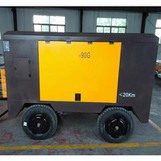
Hey there! If you're into sandblasting, you know that having a properly set up piston air compressor is crucial. As a piston air compressor supplier, I've seen firsthand how the right setup can make all the difference in your sandblasting projects. In this blog, I'll walk you through the steps of setting up a piston air compressor for sandblasting, so you can get the best results.
Step 1: Choose the Right Compressor
The first step in setting up a piston air compressor for sandblasting is to choose the right one for your needs. You'll want to consider factors like the size of your sandblasting equipment, the type of sand or abrasive you'll be using, and the frequency of your projects.
For smaller sandblasting jobs, a W-1.8/5 Diesel Motor 11kw Mini Air Compressor Piston Type Used with Rock Drill might be a great option. It's compact, has a 11kw diesel motor, and can handle light to medium sandblasting tasks.
If you're working on larger projects, you might need a more powerful compressor, like the W-3.2/7 Mine Portable Diesel Piston Engine Air Compressor. This bad boy is designed for heavy-duty use and can provide a high volume of compressed air.
And for those in between, the W-2.8/5 Diesel 15kw Belt Driven Piston Air Compressor Pneumatic Jack Hammer offers a good balance of power and portability.
Step 2: Find a Suitable Location
Once you've chosen your compressor, you need to find a suitable location to set it up. The location should be well-ventilated to prevent the build-up of heat and fumes. It should also be on a flat, stable surface to ensure the compressor operates smoothly.
Avoid placing the compressor in areas where it might get wet or exposed to extreme temperatures. Also, make sure there's enough space around the compressor for easy access and maintenance.
Step 3: Check the Oil Level
Before you start the compressor, it's important to check the oil level. Most piston air compressors have an oil sight glass or dipstick that makes it easy to check the oil level.
If the oil level is low, add the recommended type of oil. Make sure not to overfill it, as this can cause problems with the compressor's operation.
Step 4: Connect the Air Hose
Next, you'll need to connect the air hose from the compressor to your sandblasting equipment. Make sure the hose is the right size and is in good condition.
Use hose clamps to secure the connection and prevent air leaks. A leaky hose can reduce the efficiency of your compressor and affect the quality of your sandblasting.
Step 5: Set the Pressure
Now it's time to set the pressure on your compressor. The pressure you need will depend on the type of sandblasting equipment you're using and the material you're blasting.
Most sandblasting equipment has a recommended pressure range. Use the pressure gauge on your compressor to adjust the pressure to the appropriate level.
Step 6: Prime the Compressor
Some piston air compressors need to be primed before they can start working properly. Priming helps to lubricate the compressor's internal components and ensures a smooth start.
Refer to your compressor's manual for specific instructions on how to prime it. Usually, it involves turning the compressor on for a short period without any load.
Step 7: Start the Compressor
Once you've completed all the above steps, it's time to start the compressor. Follow the startup instructions in your manual carefully.
Listen for any unusual noises or vibrations. If you notice anything out of the ordinary, stop the compressor immediately and check for problems.
Step 8: Monitor the Operation
After starting the compressor, keep an eye on its operation. Check the pressure gauge regularly to make sure the pressure remains stable.
Also, monitor the temperature of the compressor. If it gets too hot, it could indicate a problem.
Step 9: Maintain the Compressor
Regular maintenance is essential to keep your piston air compressor in good working condition. This includes changing the oil, cleaning or replacing the air filter, and checking the belts and hoses for wear and tear.
Follow the maintenance schedule in your compressor's manual to ensure long-term reliability.


Step 10: Troubleshooting
Even with proper setup and maintenance, you might encounter some problems with your compressor. Here are some common issues and how to fix them:
- Low pressure: Check for air leaks in the hoses or connections. Also, make sure the compressor is set to the correct pressure.
- Overheating: Make sure the compressor is well-ventilated. Check the oil level and the cooling system.
- Strange noises: This could indicate a problem with the compressor's internal components. Stop the compressor and have it inspected by a professional.
If you're still having trouble with your compressor, don't hesitate to reach out to us. As a piston air compressor supplier, we have the expertise to help you solve any issues.
Conclusion
Setting up a piston air compressor for sandblasting might seem a bit daunting at first, but if you follow these steps, you'll be well on your way to a successful sandblasting project. Remember, choosing the right compressor, finding a suitable location, and performing regular maintenance are key to getting the best results.
If you're in the market for a piston air compressor or need more information about our products, feel free to contact us. We're here to help you with all your sandblasting needs and can assist you in finding the perfect compressor for your projects. Let's get your sandblasting up and running smoothly!
References
- Manufacturer's manuals for W-3.2/7 Mine Portable Diesel Piston Engine Air Compressor, W-2.8/5 Diesel 15kw Belt Driven Piston Air Compressor Pneumatic Jack Hammer, and W-1.8/5 Diesel Motor 11kw Mini Air Compressor Piston Type Used with Rock Drill.
- General knowledge and experience in the field of piston air compressors and sandblasting.