

As a seasoned drill pipe supplier, I've witnessed firsthand the critical role drill pipes play in various drilling operations. Drill pipes are the unsung heroes of the drilling world, transmitting power from the surface to the drill bit deep underground. However, like any piece of equipment, they are subject to wear and tear, and it's essential to recognize the signs of a damaged drill pipe to ensure the safety and efficiency of your drilling operations.
Visual Inspection Signs
One of the most straightforward ways to detect a damaged drill pipe is through a visual inspection. Here are some common visual signs to look out for:
- Cracks: Cracks are perhaps the most obvious sign of damage. They can occur on the outer surface of the drill pipe, and if left undetected, can lead to catastrophic failures. Cracks can be caused by a variety of factors, including fatigue, corrosion, and improper handling. Look for small, hairline cracks that may not be immediately visible to the naked eye. A magnifying glass or a dye penetrant test can be useful in detecting these subtle cracks.
- Dents and Gouges: Dents and gouges on the drill pipe can weaken its structural integrity. They can be caused by impacts during handling, transportation, or drilling operations. Dents and gouges can also create stress concentration points, which can lead to crack initiation and propagation. Pay close attention to areas where the drill pipe may have come into contact with other objects, such as the wellbore wall or drilling equipment.
- Corrosion: Corrosion is a common problem in drill pipes, especially in harsh environments. It can cause the drill pipe to lose its strength and thickness over time. Look for signs of rust, pitting, or discoloration on the surface of the drill pipe. Corrosion can be accelerated by factors such as high humidity, exposure to chemicals, and the presence of oxygen in the drilling fluid.
Mechanical Performance Signs
In addition to visual inspection, changes in the mechanical performance of the drill pipe can also indicate damage. Here are some mechanical performance signs to watch for:

- Excessive Vibration: Excessive vibration during drilling can be a sign of a damaged drill pipe. It can be caused by a variety of factors, including misalignment, imbalance, or a damaged drill bit. Excessive vibration can not only reduce the efficiency of the drilling operation but also cause further damage to the drill pipe and other drilling equipment. If you notice excessive vibration, stop the drilling operation immediately and inspect the drill pipe for damage.
- Reduced Torque and Pulling Force: A damaged drill pipe may require more torque and pulling force to operate. This can be due to a loss of strength or stiffness in the drill pipe. If you find that you need to apply more force than usual to rotate or pull the drill pipe, it could be a sign of damage. Monitor the torque and pulling force readings during drilling operations and compare them to the normal operating range.
- Unusual Noise: Unusual noises, such as rattling, banging, or screeching, can indicate a problem with the drill pipe. They can be caused by loose connections, damaged components, or excessive vibration. If you hear any unusual noises during drilling, stop the operation and investigate the source of the noise.
Connection and Thread Signs
The connections and threads of the drill pipe are critical components that ensure the integrity of the drill string. Here are some signs of damage to the connections and threads:
- Worn or Damaged Threads: Worn or damaged threads can cause the drill pipe connections to loosen or fail. They can be caused by improper make-up and break-out procedures, excessive torque, or corrosion. Inspect the threads of the drill pipe regularly for signs of wear, such as rounded edges, flattened crests, or missing threads. Use a thread gauge to measure the thread dimensions and ensure they are within the specified tolerance.
- Leaking Connections: Leaking connections can indicate a problem with the seal between the drill pipe joints. They can be caused by damaged seals, improper make-up, or a misaligned connection. Look for signs of fluid leakage around the connections, such as wet spots or drips. Leaking connections can not only lead to a loss of drilling fluid but also pose a safety hazard.
- Loose Connections: Loose connections can cause the drill pipe to separate during drilling operations, which can be extremely dangerous. They can be caused by improper make-up, vibration, or a damaged connection. Check the connections of the drill pipe regularly to ensure they are tight and secure. Use a torque wrench to apply the correct amount of torque when making up the connections.
Importance of Early Detection
Detecting a damaged drill pipe early is crucial for several reasons. First, it can prevent costly downtime and repairs. A damaged drill pipe can cause the drilling operation to stop, which can result in lost productivity and increased costs. By detecting and replacing a damaged drill pipe early, you can minimize the impact on your drilling schedule and budget.
Second, early detection can improve safety. A damaged drill pipe can pose a significant safety risk to the drilling crew and the surrounding environment. It can cause the drill string to break, which can lead to equipment damage, injuries, and even fatalities. By identifying and addressing a damaged drill pipe early, you can reduce the risk of accidents and ensure the safety of everyone involved in the drilling operation.
Our Drill Pipe Products
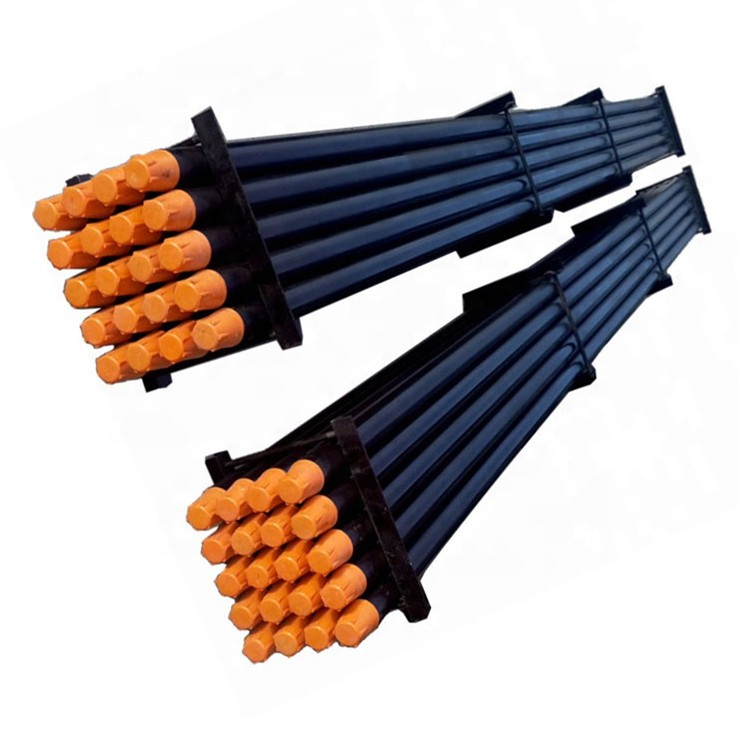
At our company, we offer a wide range of high-quality drill pipes to meet the needs of various drilling applications. Our ZD-89 DTH 89mm Drilling Rig Rod Pipe is designed for use in DTH (Down-The-Hole) drilling operations. It is made from high-strength steel and features a durable coating to resist corrosion and wear. Our Tapered Drill Pipe Rod 1.5m for Jack Hammer Use is specifically designed for use with jack hammers. It has a tapered design that provides better stability and performance during drilling.
Contact Us for Purchase and Consultation
If you are in the market for drill pipes or have any questions about drill pipe damage and maintenance, we encourage you to contact us. Our team of experts is available to provide you with professional advice and assistance. We can help you select the right drill pipe for your specific application and ensure that you get the best value for your money. Whether you are a small drilling contractor or a large mining company, we are committed to providing you with the highest quality products and services.
References
- API RP 7G, Recommended Practice for Drill Stem Design and Operating Limits.
- ISO 11960, Petroleum and natural gas industries - Steel pipes for use as casing or tubing for wells.
- Spears & Associates, Inc., Drill Pipe Market Report.


