The lubrication system in a screw air compressor plays a pivotal role in ensuring the efficient, reliable, and continuous operation of the machine. As an industrial equipment manufacturer dedicated to balancing performance and durability, Moderate Machine recognizes that a well-engineered lubrication system is the heartbeat of any air compressor.
In this comprehensive guide, we will delve into the critical functions of the lubrication system and how it directly impacts your equipment's operational lifespan.
1. Cooling and Thermal Regulation
One of the primary functions of the lubrication system is cooling. During the compression process, a significant amount of heat is generated. The air compression inside a screw compressor is an adiabatic process, meaning that as the air volume is reduced, its temperature rises rapidly.
Without efficient heat dissipation, high temperatures can cause internal components to expand prematurely, leading to severe wear and tear, or in extreme cases, total compressor seizure.
The compressor fluid absorbs this intense thermal energy directly from the compression chamber. It circulates through the system, picks up heat from the rotors, and flows into the oil cooler. Once cooled to an optimal temperature, it is recirculated back into the air end.
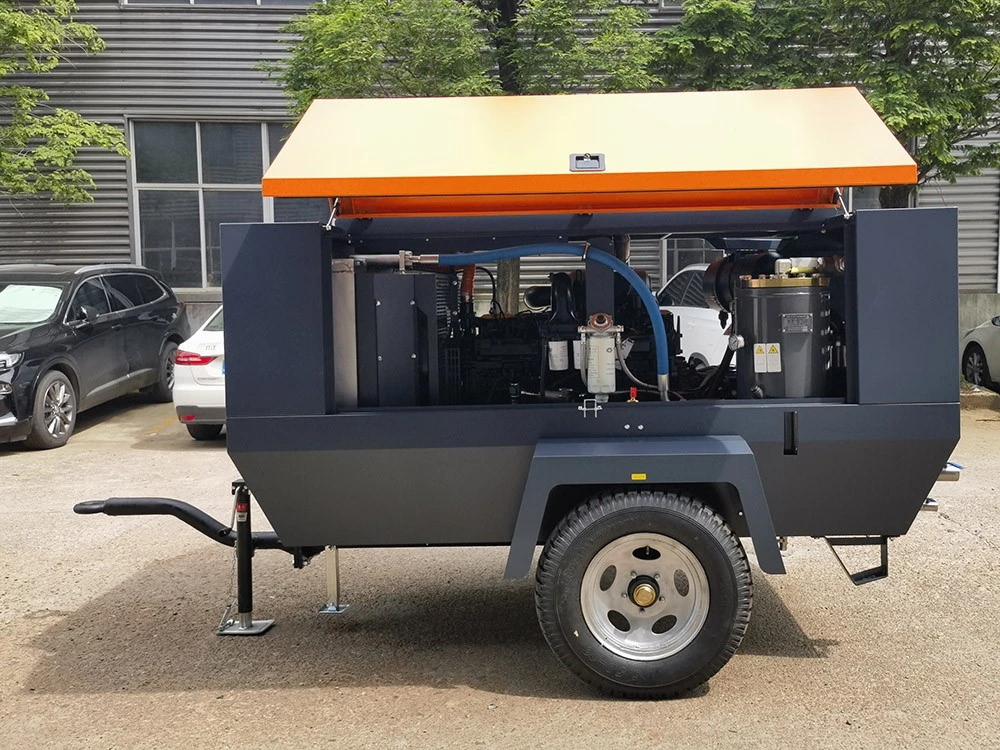
Engineering Insight: This continuous thermal cycle allows heavy-duty machinery-such as our diesel screw air compressors-to maintain stable running temperatures even during 500+ hours of continuous, non-stop operation in harsh, high-temperature environments.
2. Sealing the Compression Chamber
Another crucial yet often overlooked function of the lubrication system is sealing. In a twin-screw air compressor, the male and female rotors must maintain a precise, tight seal to prevent pressurized air from escaping.
The lubricant forms a dynamic thin film between the intermeshing rotors and the compressor housing. This fluid barrier prevents the compressed air from leaking back into the low-pressure intake side, thereby maintaining high compression efficiency.
A reliable seal directly improves the volumetric efficiency of the compressor-allowing the machine to deliver a higher volume of compressed air per minute without increasing energy consumption.
3. Friction and Wear Reduction (Lubrication)
As the name implies, reducing mechanical friction is a foundational task. The internal moving parts of a screw air compressor-including the high-speed rotors, heavy-duty bearings, and synchronous gears-experience intense mechanical stress during operation.
The lubricant injects a protective hydrodynamic film between these moving surfaces, preventing direct metal-to-metal contact. This results in:
Significantly extended component lifespan.
Minimized downtime and lower maintenance costs.
Reduced energy wastage, as less power is required to overcome mechanical resistance.
4. Contamination Control and Filtration
The lubrication system is essential for maintaining internal cleanliness. During operation, airborne contaminants such as dust, ambient dirt, and microscopic metal particles can find their way into the air end. If left unchecked, these abrasives will quickly score the rotors and ruin the bearings.
The circulating lubricant acts as a flushing agent, sweeping these particles away from the critical compression zone. The system then routes the fluid through high-efficiency oil filters that trap and isolate the debris. Regular filter maintenance ensures the system consistently delivers clean oil, safeguarding the reliability of the entire machine.
5. Noise Reduction and Vibration Damping
Modern industrial sites demand strict control over noise pollution. The lubrication system contributes significantly to noise reduction by acting as a damping agent.
When the lubricant coats the intermeshing teeth of the rotors and the bearings, it absorbs the structural vibrations and mechanical shocks generated during high-speed rotation. This results in a much smoother, quieter operation, making the equipment highly suitable for noise-sensitive construction sites and indoor industrial applications.
6. Maintaining System Pressure Balance
The lubrication system helps regulate internal pressure stability. The fluid is pumped throughout the compressor circuits at a strictly calibrated pressure to ensure it reaches every remote bearing and friction point.
A stable oil pressure is crucial:
Too Low: Fluid cannot adequately reach the high-load bearings, leading to localized overheating and failure.
Too High: Excessive pressure puts undue strain on the shaft seals, potentially causing fluid leaks and system imbalances.
Conclusion: The Impact on Compressor Performance
The overall efficiency of a screw air compressor heavily relies on the health of its lubrication system. A well-maintained system guarantees optimal fuel or power efficiency, minimizes operational costs, and ensures a steady supply of high-pressure air. Conversely, neglecting oil changes and filtration leads to oil degradation, increased friction, and catastrophic failure.
At Moderate Machine, we focus on engineering balanced solutions where cooling, lubrication, and filtration work in perfect harmony to deliver long-term reliability.
Explore our Diesel Screw Air Compressor