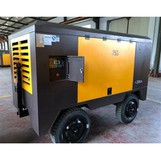
As a supplier of screw air compressors, I've witnessed firsthand the critical role that various components play in the overall performance and safety of these machines. One such component that often goes unnoticed but is of utmost importance is the pressure gauge. In this blog post, I'll delve into the functions of the pressure gauge in a screw air compressor and explain why it's an indispensable part of the system.
Understanding Screw Air Compressors
Before we dive into the role of the pressure gauge, let's briefly understand how screw air compressors work. Screw air compressors are positive displacement compressors that use two intermeshing helical rotors to compress air. As the rotors turn, air is drawn into the compressor and trapped between the rotors. As the rotors continue to rotate, the volume of the trapped air decreases, causing the pressure to increase. The compressed air is then discharged from the compressor and used for various applications, such as powering pneumatic tools, operating machinery, and providing clean, dry air for industrial processes.
The Function of the Pressure Gauge
The pressure gauge in a screw air compressor serves several important functions, all of which are crucial for the safe and efficient operation of the machine.
1. Monitoring Compressor Output Pressure
One of the primary functions of the pressure gauge is to monitor the output pressure of the compressor. The output pressure is the pressure at which the compressed air is delivered to the system or application. By continuously monitoring the output pressure, the pressure gauge allows operators to ensure that the compressor is producing the required amount of pressure for the specific application. If the output pressure is too low, the pneumatic tools or machinery may not operate properly, resulting in reduced productivity and efficiency. On the other hand, if the output pressure is too high, it can cause damage to the equipment, increase energy consumption, and pose a safety hazard.
For example, in a manufacturing plant, a screw air compressor may be used to power a variety of pneumatic tools, such as drills, grinders, and impact wrenches. Each of these tools requires a specific operating pressure to function effectively. By using a pressure gauge to monitor the output pressure of the compressor, operators can adjust the compressor settings as needed to ensure that the tools are receiving the correct amount of pressure. This helps to optimize the performance of the tools and prevent premature wear and tear.
2. Ensuring System Safety
Another important function of the pressure gauge is to ensure the safety of the compressor and the entire compressed air system. Screw air compressors operate at high pressures, and if the pressure exceeds the design limits of the compressor or the system components, it can lead to serious accidents, such as explosions or equipment failures. The pressure gauge acts as a safety device by providing a visual indication of the pressure inside the compressor. If the pressure exceeds the safe operating limit, the operator can take immediate action to reduce the pressure, such as shutting down the compressor or adjusting the pressure relief valve.
In addition to monitoring the output pressure, the pressure gauge can also be used to monitor the pressure in other parts of the compressed air system, such as the receiver tank and the distribution lines. This helps to detect any potential pressure fluctuations or leaks in the system, which can be addressed before they cause serious problems.
3. Optimizing Energy Efficiency
The pressure gauge can also play a role in optimizing the energy efficiency of the screw air compressor. Compressing air requires a significant amount of energy, and any inefficiencies in the compression process can result in higher energy costs. By monitoring the output pressure of the compressor, operators can ensure that the compressor is operating at the optimal pressure level for the specific application. This helps to reduce energy consumption and lower operating costs.
For example, if the output pressure of the compressor is set too high, the compressor will consume more energy than necessary to produce the required amount of compressed air. By using a pressure gauge to monitor the output pressure and adjusting the compressor settings as needed, operators can ensure that the compressor is operating at the lowest possible pressure level while still meeting the requirements of the application. This can result in significant energy savings over time.
4. Troubleshooting and Maintenance
The pressure gauge can also be a valuable tool for troubleshooting and maintenance purposes. If the pressure gauge indicates abnormal pressure readings, it can be a sign of a problem with the compressor or the compressed air system. For example, a sudden drop in pressure may indicate a leak in the system, while a gradual increase in pressure may indicate a blockage or a malfunctioning valve. By using the pressure gauge to monitor the pressure readings and comparing them to the normal operating range, operators can identify potential problems early on and take appropriate action to address them.
In addition, the pressure gauge can be used to monitor the performance of the compressor over time. By keeping a record of the pressure readings, operators can track any changes in the pressure levels and identify any trends or patterns that may indicate a need for maintenance or repair. This helps to prevent unexpected breakdowns and ensure the long-term reliability of the compressor.
Types of Pressure Gauges
There are several types of pressure gauges that can be used in screw air compressors, each with its own advantages and disadvantages. The most common types of pressure gauges include:
1. Bourdon Tube Pressure Gauges
Bourdon tube pressure gauges are the most widely used type of pressure gauge in screw air compressors. They work on the principle that a curved tube (the Bourdon tube) will straighten out when pressure is applied to it. The movement of the Bourdon tube is transmitted to a pointer on the gauge face, which indicates the pressure reading. Bourdon tube pressure gauges are relatively inexpensive, reliable, and easy to read. They can measure a wide range of pressures, from a few psi to several thousand psi.
2. Diaphragm Pressure Gauges
Diaphragm pressure gauges use a flexible diaphragm to measure pressure. The diaphragm is typically made of a thin metal or plastic material and is designed to deform when pressure is applied to it. The movement of the diaphragm is transmitted to a pointer on the gauge face, which indicates the pressure reading. Diaphragm pressure gauges are more sensitive than Bourdon tube pressure gauges and are often used for measuring low pressures. They are also less prone to vibration and shock, making them suitable for use in harsh environments.
3. Digital Pressure Gauges
Digital pressure gauges use electronic sensors to measure pressure and display the pressure reading on a digital display. Digital pressure gauges offer several advantages over traditional mechanical pressure gauges, including higher accuracy, greater resolution, and the ability to store and record pressure readings. They are also more resistant to vibration and shock and can be easily integrated with other monitoring and control systems. However, digital pressure gauges are generally more expensive than mechanical pressure gauges and may require more maintenance.

Conclusion
In conclusion, the pressure gauge is an essential component of a screw air compressor. It plays a crucial role in monitoring the output pressure, ensuring system safety, optimizing energy efficiency, and troubleshooting and maintenance. By choosing the right type of pressure gauge and using it correctly, operators can ensure the safe and efficient operation of the screw air compressor and the entire compressed air system.
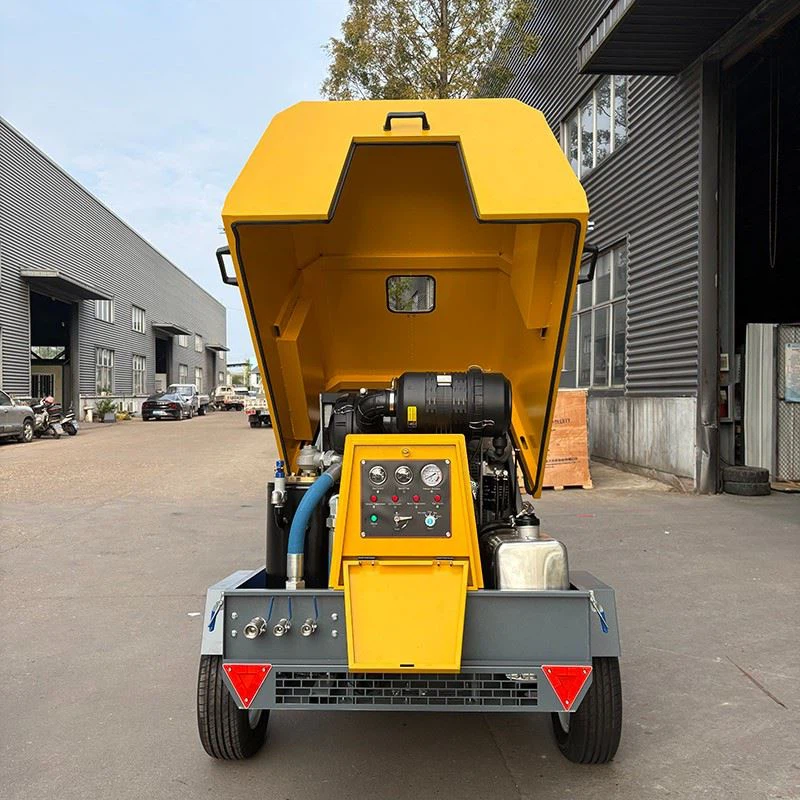
If you're in the market for a screw air compressor, we offer a wide range of high-quality products to meet your needs. Check out our ZD-5/8 185CFM Small Portable Diesel Screw Air Compressor On Wheels, ZD-10/10 375 Cfm Diesel Portable Screw Air Compressor Machine For Mining, and 185 Cfm Best Diesel Portable Rotary Screw Compressor. Our team of experts is available to help you select the right compressor for your application and provide you with the support and service you need to keep your compressor running smoothly. Contact us today to learn more about our products and services and to discuss your specific requirements.
References
- Compressed Air and Gas Institute (CAGI). (n.d.). Screw Compressors. Retrieved from [CAGI website]
- ASME Boiler and Pressure Vessel Code. (n.d.). Section VIII - Pressure Vessels. Retrieved from [ASME website]
- ISO 1217:2019. (2019). Rotary-type positive-displacement compressors - Performance acceptance tests. International Organization for Standardization.