Weather plays a pivotal role in the operation of drilling rigs, exerting both direct and indirect impacts on their performance, safety, and efficiency. As a drilling rig supplier, I've witnessed firsthand how various weather conditions can significantly affect the drilling process. In this blog, we'll explore the multifaceted impacts of weather on drilling rigs and discuss how to mitigate these challenges.
Impact of Temperature
Extreme Cold
In cold weather, low temperatures can cause several problems for drilling rigs. One of the most significant issues is the thickening of lubricants. Drilling equipment relies on lubricants to reduce friction between moving parts. When the temperature drops, these lubricants become more viscous, which can impede the smooth operation of the machinery. For example, the drill bit may experience increased resistance, leading to slower drilling speeds and potentially causing premature wear on the equipment.
Cold weather can also affect the integrity of materials. Metals become more brittle at low temperatures, increasing the risk of fractures and failures. Pipes and drill rods are particularly vulnerable to this phenomenon. If a pipe were to break during drilling, it could not only disrupt the operation but also pose a safety hazard to the crew.
Moreover, extreme cold can impact the performance of batteries and electronic components. Batteries tend to lose their charge more quickly in cold conditions, which can lead to power shortages for essential equipment such as the ULT - 900 Mining Portable Emergency Solar Powered Lighting Tower 3 Panels [/light - tower/solar - light - tower/ult - 900 - mining - portable - emergency - solar.html]. This lighting tower is crucial for providing illumination during night - time or in dark drilling environments, and any power issues can compromise safety and productivity.
High Temperatures
On the other end of the spectrum, high temperatures can also be detrimental to drilling rigs. Excessive heat can cause overheating of engines and hydraulic systems. Engines are designed to operate within a specific temperature range, and when this range is exceeded, it can lead to reduced power output, increased fuel consumption, and potential damage to engine components.
Hydraulic systems, which are essential for the movement and operation of the drilling rig, are also sensitive to high temperatures. The hydraulic fluid can break down under extreme heat, losing its lubricating and sealing properties. This can result in leaks, reduced efficiency, and ultimately, system failures.


In addition, high temperatures can cause expansion of materials. Pipes and structural components may expand, leading to misalignments and stress on the rig's structure. This can affect the accuracy of the drilling process and potentially cause long - term damage to the equipment.
Impact of Precipitation
Rain and Snow
Rain and snow can create slippery conditions on the drilling site. This poses a significant safety risk to the crew, as they may slip and fall while moving around the rig. In addition, wet conditions can damage electrical equipment. Water can seep into electrical enclosures, causing short - circuits and equipment failures. This is especially concerning for sensitive control systems and monitoring devices on the drilling rig.
Snow can also accumulate on the rig, adding extra weight to the structure. This additional load can put stress on the rig's supports and foundations, increasing the risk of structural failure. Moreover, snow can cover important equipment and access points, making it difficult for the crew to perform maintenance and inspections.
Hail
Hailstorms can be extremely damaging to the drilling rig. Hailstones can strike the rig's exterior, causing dents and damage to the metal surfaces. They can also break windows and other fragile components, exposing the interior of the rig to the elements. In severe cases, large hailstones can even damage the drilling equipment itself, such as the drill bit and the derrick.
Impact of Wind
Strong Winds
Strong winds can pose a significant threat to the stability of the drilling rig. The rig is a tall and relatively lightweight structure, making it susceptible to wind forces. High - speed winds can cause the rig to sway, which can affect the accuracy of the drilling process. In extreme cases, if the wind speed exceeds the design limits of the rig, it can cause the rig to topple over, resulting in severe damage to the equipment and potentially endangering the lives of the crew.
Wind can also blow dust and debris onto the rig. This can clog air filters, reducing the efficiency of the engine's intake system. Dust can also accumulate on moving parts, increasing friction and wear. In addition, strong winds can disperse drilling fluids and cuttings, creating environmental hazards and making it difficult to maintain a clean and safe working environment.
Mitigation Strategies
Temperature - Related Mitigation
To combat the effects of extreme temperatures, proper insulation and heating or cooling systems can be installed on the drilling rig. For cold weather, insulation can help keep the equipment warm, and heating systems can be used to maintain the temperature of critical components such as engines and hydraulic systems. In hot weather, cooling systems such as radiators and air - conditioning units can be employed to prevent overheating.
Regular maintenance of lubricants is also essential. In cold weather, using low - viscosity lubricants designed for low - temperature operation can ensure smooth operation of the equipment. In hot weather, high - temperature - resistant lubricants should be used to prevent breakdown.
Precipitation - Related Mitigation
To protect against rain, snow, and hail, the drilling rig should be equipped with proper covers and shelters. Waterproof tarps can be used to cover sensitive equipment, and enclosures can be designed to prevent water from entering electrical and mechanical components. Regular inspections should be carried out after precipitation events to check for any signs of water damage.
In areas prone to heavy snowfall, snow removal equipment should be available on - site to prevent snow accumulation on the rig. This can help reduce the additional weight on the structure and prevent damage.
Wind - Related Mitigation
Wind sensors can be installed on the drilling rig to monitor wind speed and direction. When the wind speed approaches dangerous levels, the drilling operation can be halted, and the rig can be secured. Guy wires and stabilizers can be used to increase the stability of the rig in windy conditions. These devices help to counteract the wind forces and prevent the rig from swaying excessively.
Impact on Equipment Selection
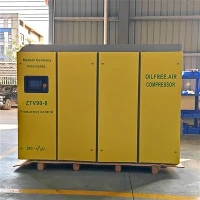
The impact of weather also influences the selection of drilling equipment. For example, in cold climates, equipment that is designed to operate in low - temperature environments is preferred. The ZD10 Small Industrial Electric AC Type Screw Air Compressor [/air - compressor/electric - stationary - screw - air - compressor/zd10 - small - industrial - electric - ac - type - screw.html] is a reliable choice as it can be equipped with features to withstand cold temperatures, such as cold - start capabilities and insulated enclosures.
In areas with high precipitation, water - resistant and corrosion - resistant materials should be used for the construction of the drilling rig. The Mining Water Well Drilling Tools Low Pressure Cir Type DTH Hammer [/drilling - tools/dth - hammer/mining - water - well - drilling - tools - low - pressure.html] can be made from materials that are resistant to rust and corrosion, ensuring its durability in wet conditions.
Conclusion
Weather has a profound impact on the operation of drilling rigs. From temperature extremes to precipitation and wind, each weather condition presents unique challenges that can affect the performance, safety, and efficiency of the drilling process. As a drilling rig supplier, we understand the importance of providing equipment that can withstand these weather - related challenges.
We offer a wide range of drilling equipment, including the ULT - 900 Mining Portable Emergency Solar Powered Lighting Tower 3 Panels, the ZD10 Small Industrial Electric AC Type Screw Air Compressor, and the Mining Water Well Drilling Tools Low Pressure Cir Type DTH Hammer, which are designed to be reliable and durable in various weather conditions.
If you are in the market for drilling rigs or related equipment, we encourage you to reach out to us for more information. Our team of experts can help you select the right equipment for your specific needs and provide guidance on how to mitigate the impacts of weather on your drilling operations. Contact us today to start a fruitful discussion about your drilling equipment requirements.
References
- "Drilling Rig Operations Handbook" by John Smith
- "Weather Effects on Industrial Equipment" by Emily Johnson
- "Safety and Maintenance in Drilling Rigs" by David Brown