Hey there! As a supplier of small piston compressors, I often get asked about the pressure stability of these nifty little machines. So, I thought I'd sit down and write this blog to share everything you need to know about it.
First off, let's talk about what pressure stability actually means. In simple terms, pressure stability refers to how well a compressor can maintain a consistent pressure output over time. For a small piston compressor, this is super important because it directly affects the performance and efficiency of the tools and equipment that rely on compressed air.


Imagine you're using a pneumatic jack hammer powered by a small piston compressor. If the pressure isn't stable, the jack hammer might not work as effectively. It could either deliver weak blows or have sudden bursts of power, making it difficult to control and reducing its overall productivity.
Now, what factors can affect the pressure stability of a small piston compressor? Well, there are a few key ones.
Compressor Design
The design of the compressor plays a huge role. A well - designed small piston compressor will have a properly sized cylinder and piston. The size of the cylinder determines how much air can be compressed in each stroke. If the cylinder is too small, the compressor might have to work harder and more frequently to meet the demand, which can lead to pressure fluctuations.
Also, the quality of the valves is crucial. The intake and exhaust valves need to open and close at the right time and with the right precision. If they don't, air can leak in or out at the wrong moments, causing pressure instability. For example, if the exhaust valve doesn't close properly, some of the compressed air will leak back into the cylinder, reducing the pressure output.
Motor and Drive System
The motor that powers the compressor and the drive system that connects it to the piston are also important. A motor that is underpowered might not be able to maintain a consistent speed, which in turn affects the compression process. If the motor slows down during operation, the piston won't compress the air as efficiently, leading to a drop in pressure.
The type of drive system, whether it's belt - driven or direct - drive, can also impact pressure stability. Belt - driven systems can sometimes slip, especially if the belts are worn or not properly tensioned. This slipping can cause variations in the speed of the piston, resulting in pressure changes.
Air Demand
The amount of air being used by the connected tools or equipment is a major factor. If the demand for compressed air suddenly increases, the compressor might struggle to keep up, causing a temporary drop in pressure. On the other hand, if the demand decreases, the pressure inside the compressor tank can build up too quickly if the compressor doesn't have a proper pressure - regulating mechanism.
Let's take a look at some of the small piston compressors we offer and how they handle pressure stability.
The W - 2.8/5 Diesel 15kw Belt Driven Piston Air Compressor Pneumatic Jack Hammer is a great example. It's designed with a robust motor and a well - sized cylinder to ensure consistent compression. The belt - driven system is carefully calibrated to minimize slipping, which helps in maintaining a stable pressure output. This compressor is ideal for powering pneumatic jack hammers and other similar tools that require a steady supply of compressed air.
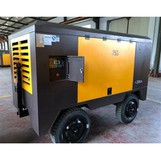
Another one is the 2V - 3.5/5 Mobile Diesel Motor Air Compressor with Piston Head. This mobile compressor is built for versatility. It has advanced pressure - regulating valves that adjust to changes in air demand. Whether you're using it on a construction site or in a mining operation, it can keep the pressure stable, ensuring that your tools work at their best.
The W - 3.5/5 Mining Piston Type Air Compressor Head 3 Pistons for Rock Drilling is specifically designed for mining applications. With three pistons, it can compress air more efficiently and provide a more stable pressure. The multiple pistons work in harmony to balance the load and ensure a continuous supply of compressed air for rock drilling equipment.
To ensure the best pressure stability from your small piston compressor, there are a few maintenance tips you should follow.
Regular Maintenance
Regularly check and replace the air filters. Clogged air filters can restrict the flow of air into the compressor, making it work harder and potentially causing pressure instability. Also, check the oil level if your compressor is oil - lubricated. Low oil levels can lead to increased friction and heat, which can affect the performance of the compressor and its pressure output.
Pressure Relief Valve Inspection
The pressure relief valve is an important safety feature, but it also helps with pressure stability. Make sure it's working properly and set at the correct pressure. If it's not, it could cause the pressure inside the tank to build up too much or release air prematurely.
Belt Tension Check
If your compressor has a belt - driven system, regularly check the belt tension. A loose belt can slip, and a too - tight belt can put extra stress on the motor and other components.
In conclusion, pressure stability is a vital aspect of a small piston compressor's performance. A stable pressure ensures that your tools and equipment work efficiently and effectively. Our range of small piston compressors, like the ones I've mentioned above, are designed and engineered to provide excellent pressure stability.
If you're in the market for a small piston compressor and want to learn more about how our products can meet your needs, don't hesitate to reach out. We're here to help you find the perfect compressor for your specific application and ensure you get the best performance. Whether you're in construction, mining, or any other industry that relies on compressed air, we've got you covered. So, start a conversation with us today and let's find the right compressor for you!
References
- Compressed Air Systems Handbook
- Small Engine and Compressor Technology Manuals