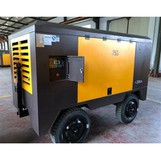
When operating a water well drilling rig in hot regions, several special measures need to be taken to ensure the efficient and safe operation of the equipment. As a well - established water well drilling rig supplier, I have witnessed firsthand the challenges and solutions related to drilling in hot climates. In this blog, I will share some crucial measures that should be considered when using a water well drilling rig in such regions.
Equipment Cooling
One of the most significant challenges in hot regions is the overheating of the drilling rig's engine and other components. High ambient temperatures can cause the engine coolant to reach dangerous levels, leading to reduced performance and potential damage. To address this issue, it is essential to install an effective cooling system.
For our FY260 Best Portable Water Well Drilling Rig Machine With High Quality Parts, we recommend using a high - capacity radiator. A larger radiator surface area allows for better heat dissipation, keeping the engine coolant at an optimal temperature. Additionally, installing a temperature - controlled fan can help regulate the airflow through the radiator, ensuring that the engine does not overheat even in extreme heat.
The hydraulic system of the drilling rig is also susceptible to overheating. Hydraulic fluid can break down at high temperatures, leading to decreased efficiency and potential damage to the hydraulic components. Using a hydraulic oil cooler is crucial in hot regions. This cooler helps maintain the hydraulic fluid at a stable temperature, ensuring smooth operation of the hydraulic cylinders, pumps, and motors. Our FY680 High Efficiency Deep Well Drilling Rig Machine is equipped with a state - of - the - art hydraulic oil cooler to handle the challenges of hot - climate drilling.


Lubrication
In hot regions, the viscosity of lubricants can change significantly. Lubricants tend to thin out at high temperatures, reducing their ability to provide proper lubrication and protection for the drilling rig's moving parts. Therefore, it is necessary to use high - temperature lubricants.
For the drill bit and the drill string, a high - temperature grease should be applied. This grease can withstand the extreme heat generated during the drilling process and prevent excessive wear and tear on the components. Regularly checking and replenishing the lubricants is also essential. In hot weather, lubricants may evaporate or break down more quickly, so a more frequent lubrication schedule should be established.
The engine oil also needs to be carefully selected. A high - quality synthetic engine oil with a high viscosity index is recommended. Synthetic oils have better thermal stability and can maintain their lubricating properties at high temperatures. This helps protect the engine's internal components, such as pistons, cylinders, and bearings, from excessive wear and damage.
Operator Comfort and Safety
Hot regions pose a significant risk to the health and safety of the drilling rig operators. High temperatures can lead to heat exhaustion, heatstroke, and other heat - related illnesses. Therefore, providing a comfortable and safe working environment for the operators is of utmost importance.
The drilling rig's cabin should be equipped with a high - performance air - conditioning system. This system helps maintain a comfortable temperature inside the cabin, reducing the risk of heat - related illnesses for the operators. Additionally, the cabin should have proper ventilation to ensure fresh air circulation.
Operators should also be provided with appropriate personal protective equipment (PPE). This includes lightweight, breathable work clothing, hats, and sunglasses to protect them from the sun. Adequate drinking water should be available at all times to prevent dehydration. Regular breaks should be scheduled to allow operators to rest and cool down.
Dust and Sand Protection
Hot regions are often associated with arid conditions and high levels of dust and sand. Dust and sand can enter the drilling rig's engine, hydraulic system, and other components, causing damage and reducing the equipment's lifespan.
To protect the engine, an effective air intake filter system should be installed. A multi - stage air filter can trap dust and sand particles, preventing them from entering the engine's combustion chamber. The filters should be checked and cleaned or replaced regularly, especially in dusty environments.
The hydraulic system also needs protection from dust and sand. Seals and gaskets should be inspected regularly for signs of wear or damage. Any damaged seals should be replaced immediately to prevent dust and sand from entering the hydraulic system. Our FY300 Portable Small Borehole Water Well Drilling Rig Machine is designed with enhanced dust and sand protection features to ensure reliable operation in harsh environments.
Water Management
Water is a crucial resource during the drilling process. In hot regions, water evaporation rates are high, and water sources may be limited. Therefore, efficient water management is essential.
A water storage tank with a large capacity should be installed on the drilling rig. This tank can store enough water for the drilling operations, reducing the need for frequent water refills. Additionally, a water recycling system can be used to reuse water that has been used during the drilling process. This helps conserve water and reduces the overall water consumption.
The water used for cooling the drill bit and the drilling rig's components should be treated to prevent the formation of scale and corrosion. Scale can reduce the efficiency of the cooling system, while corrosion can damage the components. Using water treatment chemicals can help maintain the quality of the water and protect the equipment.
Equipment Inspection and Maintenance
Regular equipment inspection and maintenance are more critical in hot regions than in other climates. The extreme heat, dust, and sand can accelerate the wear and tear of the drilling rig's components.
A comprehensive pre - start inspection should be conducted every day before starting the drilling operation. This inspection should include checking the engine oil level, coolant level, hydraulic fluid level, air filters, and other critical components. Any issues should be addressed immediately to prevent breakdowns during the drilling process.
Scheduled maintenance should also be carried out according to the manufacturer's recommendations. This includes changing the engine oil, filters, and lubricants at the appropriate intervals. Additionally, the drilling rig's components, such as the drill bit, drill string, and hydraulic cylinders, should be inspected for signs of wear and damage. Any worn - out components should be replaced promptly to ensure the safe and efficient operation of the equipment.
In conclusion, using a water well drilling rig in hot regions requires special measures to address the challenges posed by high temperatures, dust, and limited water resources. By implementing the measures mentioned above, such as equipment cooling, proper lubrication, operator safety, dust and sand protection, water management, and regular maintenance, the drilling rig can operate efficiently and safely in hot climates.
If you are interested in our water well drilling rigs and would like to discuss your specific requirements for hot - region drilling, we invite you to contact us for a detailed consultation. Our team of experts is ready to provide you with the best solutions and support for your drilling projects.
References
- "Drilling Rig Operations in Extreme Environments" - A technical guide on drilling rig performance in different climates.
- "Heat Stress Management in Industrial Settings" - A study on the impact of heat on workers and strategies for prevention.
- "Lubrication in High - Temperature Applications" - Research on the properties and selection of lubricants for high - temperature environments.