

Hey there! As an air compressor supplier, I get a lot of questions from customers about their air compressors overheating. It's a common issue that can be a real headache, but don't worry, I'm here to break it down for you.
First off, let's talk about why overheating is such a big deal. When an air compressor overheats, it can cause all sorts of problems. It can reduce the efficiency of the compressor, shorten its lifespan, and even lead to serious damage if left unchecked. So, it's important to figure out what's causing the overheating and fix it as soon as possible.
Common Causes of Air Compressor Overheating
1. Lack of Proper Ventilation
One of the most common reasons for an air compressor to overheat is a lack of proper ventilation. Air compressors generate a lot of heat during operation, and they need to be able to dissipate that heat effectively. If the compressor is placed in a confined space or if the vents are blocked, the heat can build up and cause the compressor to overheat.
For example, if you have your air compressor in a small storage room with no windows or ventilation, the hot air has nowhere to go. This can lead to a rapid increase in temperature inside the compressor. To fix this, make sure your compressor is placed in a well-ventilated area. You can also use fans to improve air circulation around the compressor.
2. Low Oil Level
Another common cause of overheating is a low oil level. Oil plays a crucial role in lubricating the moving parts of the compressor and reducing friction. When the oil level is low, the friction between the parts increases, which generates more heat.
Regularly check the oil level in your compressor and make sure it's at the recommended level. If the oil is dirty or contaminated, it's important to change it as soon as possible. Using the right type of oil is also essential. Different compressors require different types of oil, so make sure you're using the one recommended by the manufacturer.
3. Worn-Out Components
Over time, the components of an air compressor can wear out. This includes things like belts, bearings, and pistons. When these components are worn, they can cause the compressor to work harder than it should, which generates more heat.
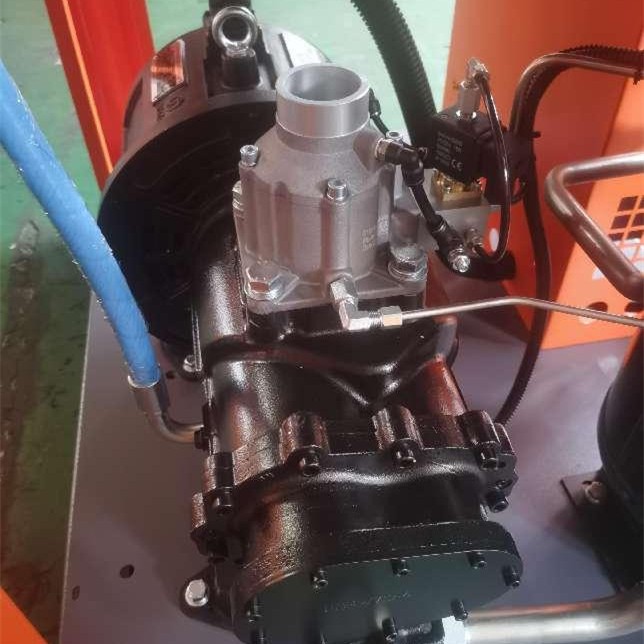

Inspect your compressor regularly for signs of wear and tear. If you notice any worn components, replace them as soon as possible. This will not only help prevent overheating but also ensure the smooth operation of your compressor.
4. Overloading
If you're using your air compressor beyond its rated capacity, it can cause the compressor to overheat. Each compressor has a specific capacity, and if you try to push it beyond that limit, it will put a lot of strain on the motor and other components.
Make sure you're using the right size compressor for your needs. If you're constantly running your compressor at or near its maximum capacity, it might be time to consider upgrading to a larger compressor. For instance, if you're currently using a small compressor for heavy-duty tasks, you might want to check out our 37kw 50hp Industrial Electric AC Power Single Phase Inverter Screw Air Compressor. It's designed to handle more demanding applications.
5. Faulty Cooling System
The cooling system of an air compressor is responsible for keeping the compressor at a safe temperature. If the cooling system is not working properly, the compressor can overheat. This could be due to a malfunctioning fan, a clogged radiator, or a problem with the coolant.
Check the cooling system regularly to make sure it's working correctly. If you notice any issues, such as a fan that's not spinning or a radiator that's blocked, get it fixed right away.
How to Prevent Air Compressor Overheating
1. Regular Maintenance
Regular maintenance is key to preventing overheating. This includes checking the oil level, changing the oil and filters, inspecting the components for wear and tear, and cleaning the vents and cooling system. By keeping your compressor in good condition, you can reduce the risk of overheating.
2. Proper Installation
Make sure your compressor is installed correctly. It should be placed on a level surface and in a well-ventilated area. Follow the manufacturer's instructions for installation to ensure that everything is set up properly.
3. Use the Right Compressor
As mentioned earlier, using the right size compressor for your needs is important. Don't try to use a small compressor for large-scale tasks. If you're not sure which compressor is right for you, our team can help you make the right choice. We have a wide range of compressors, including the ZD15 15hp 11kw Electric Permanent Magnet Variable Frequency Screw Type Air Compressor and the 75kw Mobile Electric Rotary Screw Air Compressor for Mining.
What to Do If Your Air Compressor Overheats
If you notice that your air compressor is overheating, the first thing you should do is turn it off immediately. Let it cool down completely before you try to diagnose the problem. Once it's cooled down, you can start checking for the possible causes mentioned above.
If you're not sure how to fix the problem, don't hesitate to contact us. We have a team of experts who can help you troubleshoot and repair your compressor.
Conclusion
Overheating is a common issue with air compressors, but it can be prevented with proper maintenance and usage. By understanding the common causes of overheating and taking the necessary steps to prevent it, you can keep your air compressor running smoothly for a long time.
If you're in the market for a new air compressor or need help with your existing one, feel free to reach out to us. We're here to help you find the right solution for your needs.
References
- Compressor Handbook by Compressed Air and Gas Institute
- Air Compressor Maintenance Guide by various manufacturers


