Hey there! As a supplier of small piston compressors, I've been getting a lot of questions lately about the environmental concerns related to these nifty little machines. So, I thought I'd sit down and have a chat with you all about it.
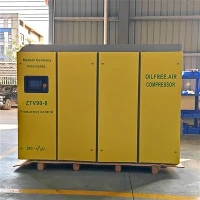
Let's start with the basics. Small piston compressors are widely used in various industries, from mining to automotive repair. They're known for their reliability, efficiency, and relatively low cost. For instance, our W-3.5/5 Mining Piston Type Air Compressor Head 3 Pistons for Rock Drilling is a popular choice among miners. It's powerful enough to drive rock drills but compact enough to be easily transported around the mining site.
But like any piece of machinery, small piston compressors do have some environmental impacts. One of the main concerns is energy consumption. These compressors typically run on electricity or diesel fuel. When they're running, they're using up a fair amount of energy. And if that energy comes from non-renewable sources like coal or natural gas, it can contribute to greenhouse gas emissions.


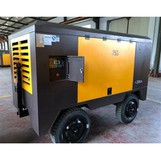
Take our W-1.8/5 Diesel Motor 11kw Mini Air Compressor Piston Type Used with Rock Drill for example. It's powered by a diesel motor. Diesel engines are known for their high energy density, which means they can produce a lot of power. But they also burn diesel fuel, which releases carbon dioxide and other pollutants into the atmosphere.
Another environmental concern is noise pollution. Small piston compressors can be quite noisy when they're operating. The constant pounding of the pistons and the whirring of the motor can create a significant amount of noise. This can be a problem for workers in the vicinity, as prolonged exposure to high levels of noise can lead to hearing loss and other health issues. It can also be a nuisance for nearby residents and wildlife.
The 2V-4/5 Mining Diesel Portable Belt Driven 4 Piston Air Compressor is a powerful machine, but it's also relatively noisy. The sound it makes can carry over long distances, especially in open areas like mines.
Now, I know this all sounds a bit gloomy, but don't worry! There are ways to mitigate these environmental impacts. For starters, we're constantly working on improving the energy efficiency of our small piston compressors. By using more advanced technologies and better materials, we can reduce the amount of energy they consume without sacrificing performance.
We're also looking into alternative power sources. For example, some of our compressors can be modified to run on renewable energy sources like solar or wind power. This not only reduces their environmental impact but also helps our customers save on energy costs in the long run.
In terms of noise pollution, we're developing new designs and using noise-reducing materials to make our compressors quieter. We're also providing our customers with guidelines on how to properly install and maintain their compressors to minimize noise levels.
So, while there are definitely some environmental concerns related to small piston compressors, we're doing our best to address them. We believe that it's possible to have a successful business while also being environmentally responsible.
If you're in the market for a small piston compressor, I encourage you to do your research and consider the environmental impacts. And if you have any questions or need more information, don't hesitate to reach out. We're here to help you make an informed decision. Whether you're a small business owner looking for a reliable compressor for your workshop or a large mining company in need of heavy-duty equipment, we've got you covered.
Let's work together to find the right small piston compressor for your needs while also doing our part to protect the environment. If you're interested in learning more about our products or would like to discuss a potential purchase, feel free to get in touch. We're always happy to have a chat and see how we can help you out.
References
- General knowledge about small piston compressors and their environmental impacts from industry experience and research.