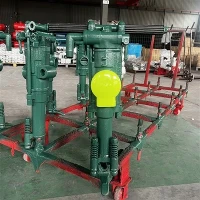
As a supplier of pneumatic jack hammers, I know firsthand how frustrating it can be when these powerful tools start to overheat. Overheating not only reduces the efficiency of the jack hammer but can also lead to serious damage, shortening its lifespan and costing you more money in the long run. So, in this blog, I'm gonna share some tips on how to avoid overheating a jack hammer.


Understand the Causes of Overheating
Before we dive into the solutions, it's important to understand why pneumatic rock drills overheat in the first place. There are several common causes, and being aware of them can help you take preventive measures.
- Friction: When the jack hammer is in use, the internal components rub against each other. If there's not enough lubrication, this friction generates a significant amount of heat. For example, the piston moving inside the cylinder can create a lot of friction, and without proper oiling, it can quickly heat up.
- Continuous Use: Jack hammers are designed to work hard, but they need breaks too. Using the tool for long periods without giving it a rest can cause the motor and other components to overheat. It's like running a marathon without stopping – eventually, your body (or in this case, the jack hammer) will start to break down.
- Dusty Environment: If you're using the jack hammer in a place with a lot of dust or debris, it can clog the air vents and cooling system. This restricts the airflow, making it harder for the jack hammer to dissipate heat, leading to overheating.
- Incorrect Pressure: Using the jack hammer at an incorrect air pressure can also cause problems. If the pressure is too high, the tool has to work harder, generating more heat. On the other hand, if the pressure is too low, it may not operate efficiently, also contributing to overheating.
Regular Maintenance
One of the most effective ways to avoid overheating is through regular maintenance. Here's what you need to do:
- Lubrication: Make sure to lubricate the jack hammer regularly. Use the recommended lubricant for your specific model. For example, some pneumatic jack hammers require a special type of air tool oil. Adding a few drops of oil into the air inlet before each use can greatly reduce friction and prevent overheating.
- Cleaning: Clean the jack hammer after each use. Remove any dust, dirt, or debris from the exterior and interior parts. Pay special attention to the air vents and cooling fins. You can use a soft brush or compressed air to blow out the dirt. A clean jack hammer can breathe better and stay cooler.
- Inspection: Regularly inspect the jack hammer for any signs of wear and tear. Check the hoses, fittings, and connections for leaks. A leaking air hose can cause a drop in pressure, making the tool work harder and overheat. Replace any damaged parts immediately.
Proper Usage
How you use the jack hammer also plays a crucial role in preventing overheating.
- Take Breaks: Don't use the jack hammer continuously for long periods. Give it a break every 20 - 30 minutes, especially if you're doing heavy-duty work. This allows the tool to cool down and reduces the risk of overheating.
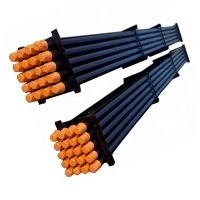
- Use the Right Bits: Using the wrong drill bit can put extra stress on the jack hammer. Make sure to choose the appropriate bit for the type of material you're working on. For example, if you're drilling through hard rock, use a bit designed for that purpose. A dull or incorrect bit can make the tool work harder and generate more heat.
- Adjust the Pressure: Set the air pressure to the recommended level for your jack hammer. You can usually find this information in the user manual. Using the correct pressure ensures that the tool operates efficiently and doesn't overheat.
Cooling Solutions
In some cases, you may need to use additional cooling solutions to keep the jack hammer from overheating.
- Cooling Fans: Some jack hammers come with built - in cooling fans. If yours doesn't, you can use an external fan to blow air over the tool while it's in use. This helps to increase the airflow and dissipate heat more effectively.
- Water Cooling: For some heavy - duty applications, water cooling can be a great option. You can use a water mister to spray a fine mist of water on the jack hammer while it's working. The water evaporates and takes away heat, keeping the tool cool.
Conclusion
Avoiding overheating in a jack hammer is all about a combination of regular maintenance, proper usage, and sometimes additional cooling solutions. By following the tips I've shared in this blog, you can keep your jack hammer running smoothly and extend its lifespan. If you're in the market for a new jack hammer or need more information, feel free to reach out to us for a purchase negotiation. We're here to help you find the best tool for your needs.
References
- Manufacturer's user manuals for various jack hammer models
- Industry best practices for jack hammer maintenance and operation