Electromagnetic interference (EMI) is a phenomenon that can have a significant impact on various electronic devices, and solar light towers are no exception. As a solar light tower supplier, I've seen firsthand how EMI can disrupt the normal operation of these useful pieces of equipment. In this blog, I'll break down how EMI affects solar light towers and what we can do about it.
What is Electromagnetic Interference?
Before we dive into how EMI affects solar light towers, let's quickly go over what it is. EMI is basically the disturbance that affects an electrical circuit due to either electromagnetic induction or electromagnetic radiation emitted from an external source. This interference can come from a variety of sources, such as power lines, radio frequency transmitters, and even other electronic devices.
How EMI Affects Solar Light Towers
Impact on Solar Panels
Solar panels are the heart of a solar light tower. They're responsible for converting sunlight into electricity. EMI can mess with the electrical signals within the solar panels. When there's interference, the efficiency of the energy conversion process can drop. The electrical currents generated by the solar panels might become unstable, leading to inconsistent power output. For example, if there's a strong radio frequency interference nearby, the solar panels might not be able to generate as much power as they normally would. This means that the light tower might not charge its batteries as effectively, and the lights might not shine as brightly or for as long as expected.
Battery Charging and Management
Solar light towers rely on batteries to store the energy generated by the solar panels. EMI can interfere with the battery charging process. The charging controllers, which regulate the flow of electricity from the solar panels to the batteries, can be affected. The interference can cause inaccurate readings of the battery's state of charge, leading to overcharging or undercharging. Overcharging can damage the batteries, reducing their lifespan, while undercharging means the light tower won't have enough power to operate at full capacity. For instance, if there's electromagnetic noise from a nearby industrial machine, the charging controller might misinterpret the battery's condition and stop the charging process prematurely.
Lighting System
The lighting system of a solar light tower is another area that can be hit hard by EMI. LED lights, which are commonly used in these towers, are sensitive to electrical interference. EMI can cause flickering or dimming of the lights. This not only affects the quality of the lighting but can also be a safety hazard, especially in areas where proper illumination is crucial, like construction sites or mining areas. For example, if there's a powerful electromagnetic field from a nearby radio tower, the LED lights in the solar light tower might start flickering, making it difficult for workers to see clearly.


Real - World Examples of EMI in Solar Light Tower Applications
Mining Sites
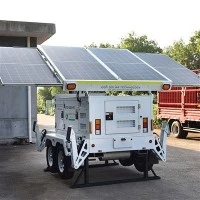
Mining sites are full of heavy machinery and electrical equipment that can generate strong electromagnetic fields. Our UST2400 Energy Saving Mobile Solar Energy Lighting Towers for Mining are often used in these environments. However, the large motors and electrical systems in the mining equipment can create EMI. This interference can disrupt the normal operation of the solar light towers, reducing their effectiveness. The solar panels might not charge the batteries properly, and the lights might flicker, making it challenging for miners to work safely.
Construction Sites
Construction sites also have a lot of electrical equipment, such as generators, power tools, and communication devices. These can all be sources of EMI. Our ULT - 1200 Portable Battery Powered Led Lighting Tower for Construction Site can be affected by this interference. The constant movement of equipment and the presence of multiple electrical sources can create a complex electromagnetic environment. This can lead to issues with the light tower's charging and lighting systems, affecting the overall productivity of the construction site.
Emergency Situations
In emergency situations, our ULT - 900 Mining Portable Emergency Solar Powered Lighting Tower 3 Panels are deployed to provide immediate lighting. However, in these scenarios, there might be other emergency equipment, like radio communication devices and emergency generators, which can generate EMI. This interference can be a real problem, as the light tower needs to work reliably to ensure the safety of the people in the area. If the lights flicker or go out due to EMI, it can cause panic and make it difficult to carry out rescue operations.
Solutions to Mitigate EMI
As a supplier, we're always looking for ways to reduce the impact of EMI on our solar light towers. One solution is to use shielding materials. We can shield the sensitive components, such as the solar panels, charging controllers, and lighting systems, with conductive materials that block electromagnetic waves. Another approach is to use filters. Filters can be installed in the electrical circuits to remove the unwanted electromagnetic noise. We also design our light towers with proper grounding systems. Grounding helps to dissipate the electromagnetic energy safely, reducing the interference.
Conclusion
Electromagnetic interference can have a significant impact on solar light towers, affecting their performance, reliability, and lifespan. As a solar light tower supplier, we understand the importance of dealing with EMI to ensure that our products work effectively in various environments. Whether it's in mining sites, construction sites, or emergency situations, we're committed to providing high - quality solar light towers that can withstand the challenges posed by EMI.
If you're in the market for a solar light tower and want to learn more about how we address EMI issues, or if you have any questions about our products, feel free to reach out to us. We're here to help you find the best solution for your lighting needs.
References
- "Electromagnetic Compatibility Engineering" by Henry W. Ott
- "Solar Power Systems: Design and Installation" by Paul Gipe