

Hey there! I'm a drill pipe supplier, and I know how crucial it is to ensure the quality of drill pipes. Internal defects in drill pipes can lead to all sorts of problems, like reduced efficiency, increased downtime, and even safety hazards. So, in this blog, I'm gonna share some ways to detect those pesky internal defects.
First off, let's talk about why detecting internal defects is so important. Drill pipes are used in all kinds of drilling operations, from mining to oil and gas exploration. They have to withstand a lot of stress and pressure, and any internal defects can weaken the pipe and make it more likely to fail. That's not just bad for the operation; it can also put workers at risk. So, by detecting internal defects early, we can prevent these problems and keep things running smoothly.
One of the most common methods for detecting internal defects in drill pipes is ultrasonic testing. This technique uses high-frequency sound waves to detect flaws in the material. The way it works is pretty simple. A transducer sends out ultrasonic waves into the drill pipe, and if there's a defect, the waves will bounce back differently than they would in a defect-free area. By analyzing these reflections, we can figure out the location and size of the defect.
Ultrasonic testing is great because it's non-destructive, which means we don't have to damage the drill pipe to test it. It's also pretty accurate and can detect even small defects. However, it does require some specialized equipment and trained operators. You can't just go out and buy an ultrasonic testing machine and start using it right away. You need to make sure you have the right skills and knowledge to interpret the results correctly.
Another method is magnetic particle testing. This is mainly used to detect surface and near-surface defects in ferromagnetic materials, which most drill pipes are made of. Here's how it works: we first magnetize the drill pipe, and then we apply iron particles to the surface. If there's a defect, the magnetic field will be disrupted, and the iron particles will accumulate at the site of the defect, making it visible.
Magnetic particle testing is relatively quick and easy to perform, and it can give us a good idea of the surface and near-surface condition of the drill pipe. But it's limited to detecting defects that are close to the surface. It won't be able to detect defects that are deep inside the pipe.
Radiographic testing is also an option. This method uses X-rays or gamma rays to create an image of the internal structure of the drill pipe. By looking at the image, we can see any internal defects, such as cracks or voids. Radiographic testing is very accurate and can provide detailed information about the defect. However, it's also expensive and requires special safety precautions because of the radiation involved.
Now, let's talk about some of the signs that might indicate an internal defect in a drill pipe. One of the most obvious signs is a change in the performance of the drill pipe. If the drill pipe starts to vibrate more than usual, or if it's not drilling as efficiently as it used to, there could be an internal defect. Another sign is a change in the appearance of the drill pipe. If you notice any cracks, corrosion, or other visible damage on the surface, it could be a sign that there are also internal defects.
It's also a good idea to keep track of the history of the drill pipe. How long has it been in use? How many drilling operations has it been through? If a drill pipe has been used for a long time or has been subjected to a lot of stress, it's more likely to have internal defects. By keeping a record of these things, we can better predict when a drill pipe might need to be inspected for defects.
As a drill pipe supplier, I always recommend regular inspections of drill pipes. Even if a drill pipe looks fine on the outside, there could still be internal defects that need to be detected. By using a combination of the methods I've mentioned above, we can get a more comprehensive picture of the condition of the drill pipe.
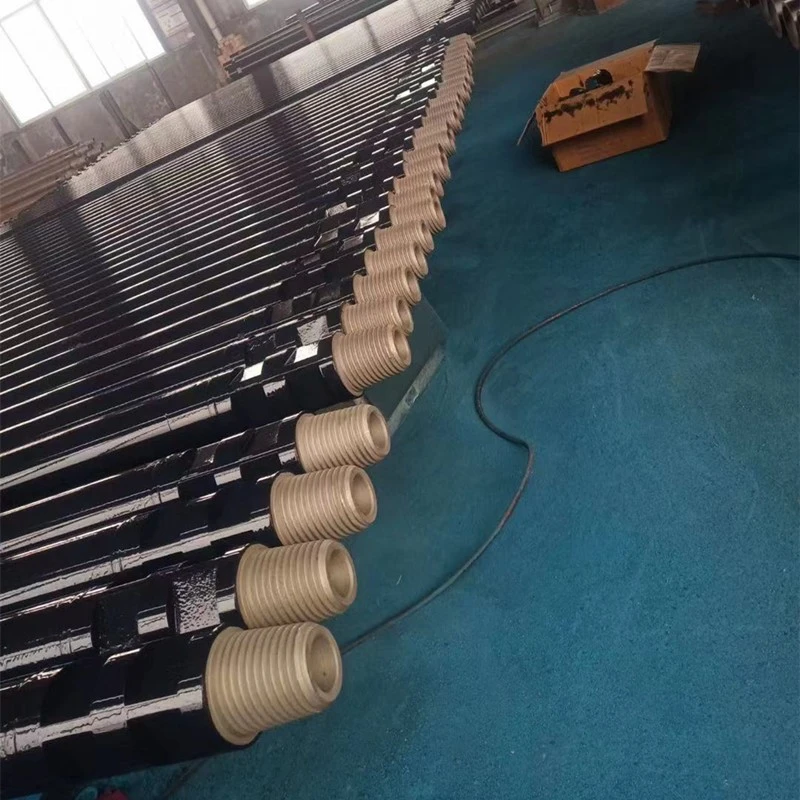
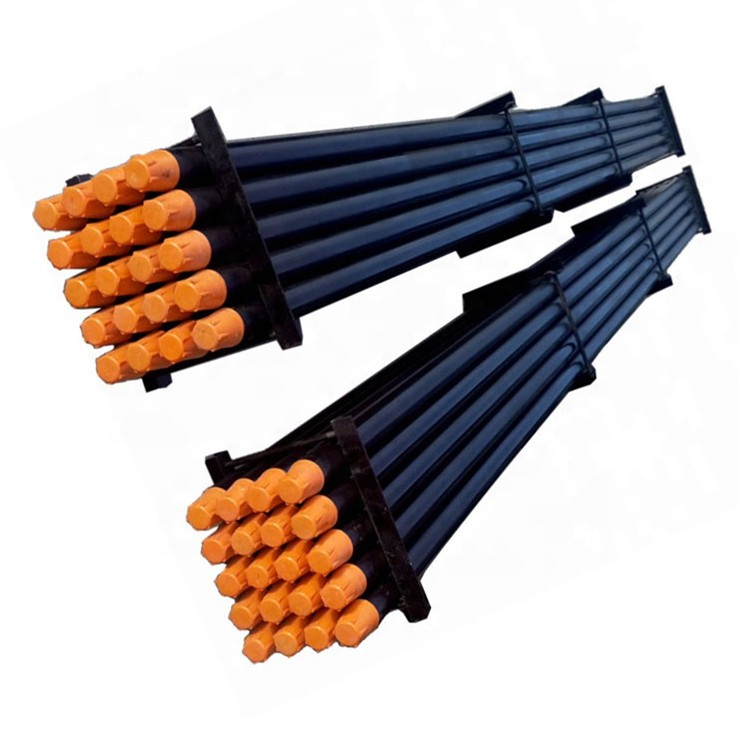
If you're in the market for high-quality drill pipes, I've got some great options for you. Check out our ZD-89 DTH 89mm Drilling Rig Rod Pipe and Tapered Drill Pipe Rod 1.5m for Jack Hammer Use. These drill pipes are made with top-notch materials and are designed to withstand the toughest drilling conditions.
If you're interested in learning more about our drill pipes or have any questions about detecting internal defects, don't hesitate to reach out. We're here to help you make the best choice for your drilling operations. Whether you're a small mining company or a large oil and gas exploration firm, we've got the products and expertise to meet your needs.
In conclusion, detecting internal defects in drill pipes is essential for ensuring the safety and efficiency of drilling operations. By using methods like ultrasonic testing, magnetic particle testing, and radiographic testing, along with keeping an eye out for signs of trouble, we can catch these defects early and prevent costly problems down the road. So, if you're looking for reliable drill pipes and want to make sure they're in top condition, give us a shout. We'll work with you to find the right solutions for your business.
References:
- Nondestructive Testing Handbook, Volume 7: Ultrasonic Testing
- ASNT Recommended Practice No. SNT-TC-1A for Nondestructive Testing Personnel Qualification and Certification
- API Specification 5DP for Drill Pipe


