

Hey there! I'm a supplier of water well drilling rigs, and today I wanna chat about how to measure the pull-out force of a water well drilling rig. It's a super important aspect when it comes to the performance and safety of these rigs, so let's dive right in.
First off, why is measuring the pull-out force so crucial? Well, the pull-out force indicates the maximum force that the drilling rig can exert to extract the drill string or other equipment from the wellbore. This is essential for ensuring that the rig can handle various drilling conditions, including when the drill bit gets stuck or when there are obstructions in the well. If the pull-out force is too low, it might lead to difficulties in retrieving the equipment, which can cause delays and even damage to the rig.
Now, let's talk about the methods to measure the pull-out force. One of the most common ways is by using load cells. Load cells are devices that can measure force by converting it into an electrical signal. You can install load cells between the hoisting system of the drilling rig and the drill string. As the rig tries to pull out the drill string, the load cells will measure the force exerted and send the data to a monitoring system. This method provides accurate and real-time measurements, allowing operators to monitor the pull-out force throughout the extraction process.
Another method is through the use of torque meters. Torque meters measure the rotational force applied to the drill string. By knowing the torque and the radius of the drum or spool on which the cable is wound, you can calculate the pull-out force. This method is a bit more indirect than using load cells, but it can still provide a good estimate of the pull-out force, especially in situations where installing load cells is not practical.
When measuring the pull-out force, it's also important to consider the environmental factors. For example, the friction between the drill string and the wellbore can significantly affect the pull-out force. In a rough or irregular wellbore, the friction will be higher, requiring more force to pull out the drill string. Additionally, the type of soil or rock formation in the well can also impact the pull-out force. Harder formations will generally require more force to extract the drill string compared to softer ones.
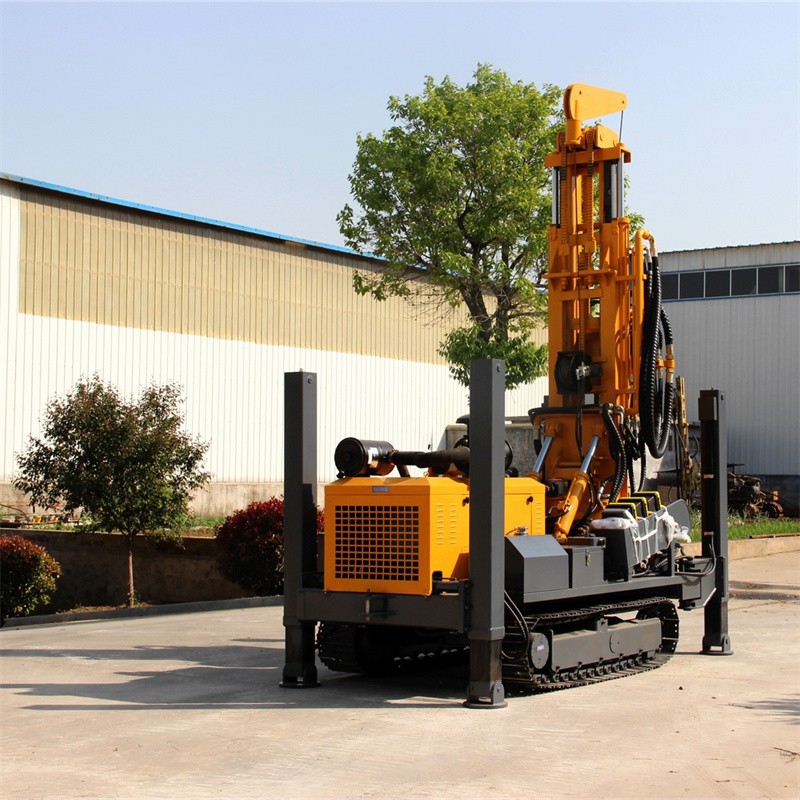
As a water well drilling rig supplier, I can tell you that different rigs have different pull-out force capabilities. Take our FY680 High Efficiency Deep Well Drilling Rig Machine for example. This rig is designed for deep well drilling and has a high pull-out force capacity, making it suitable for challenging drilling conditions. On the other hand, our FY300 Portable Small Borehole Water Well Drilling Rig Machine is more compact and lightweight, with a relatively lower pull-out force but still sufficient for small borehole drilling projects.
Before you start measuring the pull-out force, it's important to ensure that the drilling rig is in good working condition. Check the hoisting system, cables, and other components for any signs of wear or damage. A damaged component can affect the accuracy of the pull-out force measurement and also pose a safety risk.
During the measurement process, make sure to follow the manufacturer's instructions carefully. Different rigs may have different procedures for measuring the pull-out force, and it's important to adhere to these guidelines to ensure accurate results. Also, take multiple measurements at different points during the extraction process to get a more comprehensive understanding of the pull-out force requirements.
Once you have measured the pull-out force, it's a good idea to record the data for future reference. This data can be used to evaluate the performance of the drilling rig, identify any potential issues, and make adjustments as needed. It can also be useful for comparing different rigs or for providing information to clients.
In conclusion, measuring the pull-out force of a water well drilling rig is an important step in ensuring the safe and efficient operation of the rig. By using the right methods and considering the environmental factors, you can accurately measure the pull-out force and make informed decisions about the drilling process.
If you're in the market for a water well drilling rig or have any questions about measuring the pull-out force, don't hesitate to reach out. We're here to help you find the right rig for your needs and provide you with all the support you need. Let's work together to make your drilling projects a success!
References:

- Industry standards and guidelines for water well drilling rigs
- Manufacturer's manuals for water well drilling rigs


