How to Start and Stop a Rock Drill Air Compressor Properly
As a supplier of rock drill air compressors, I understand the importance of operating these machines correctly. Properly starting and stopping a rock drill air compressor not only ensures its longevity but also guarantees optimal performance and safety. In this blog post, I will guide you through the essential steps to start and stop your rock drill air compressor safely and efficiently.
Starting a Rock Drill Air Compressor
Before starting your rock drill air compressor, it is crucial to conduct a thorough pre - start inspection. This inspection helps identify any potential issues that could lead to malfunctions or safety hazards during operation.
-
Visual Inspection
- Check the compressor for any visible signs of damage, such as cracks in the air tank, loose fittings, or frayed wires.
- Ensure that all the belts are in good condition, properly tensioned, and aligned. A loose or worn - out belt can cause the compressor to operate inefficiently or even fail.
- Inspect the oil level in the compressor. If you are using an oil - lubricated compressor, the oil level should be within the recommended range. Low oil levels can lead to excessive wear and tear on the compressor's moving parts.
-
Air Filter Check
- The air filter is responsible for preventing dirt and debris from entering the compressor. A clogged air filter can restrict air flow, reducing the compressor's efficiency. Check the air filter and clean or replace it if necessary.
-
Valve and Switch Inspection
- Make sure all the valves are in the correct position. The intake valve should be open to allow air into the compressor, and the discharge valve should be closed to build up pressure in the tank.
- Check the pressure switch to ensure it is functioning properly. The pressure switch controls when the compressor starts and stops based on the air pressure in the tank.
-
Power Connection
- If your compressor is electrically powered, ensure that it is properly connected to a grounded electrical outlet. For diesel - powered compressors, check the fuel level and make sure the fuel lines are not clogged.
Once you have completed the pre - start inspection, you can proceed to start the compressor:
-
For Electric Compressors
- Turn on the power switch. The compressor motor should start running, and you will hear the sound of the compressor building up pressure in the tank.
- Monitor the pressure gauge. As the pressure in the tank increases, the compressor will continue to run until it reaches the cut - out pressure set on the pressure switch.
-
For Diesel Compressors
- Prime the fuel system if necessary. This may involve using a primer bulb to draw fuel into the engine.
- Turn the ignition key to start the diesel engine. Once the engine is running, allow it to warm up for a few minutes before starting to build pressure in the tank.
- Similar to electric compressors, monitor the pressure gauge as the compressor builds up pressure.
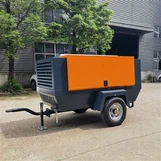
Some of our popular rock drill air compressors, such as the 2V - 3.5/5 Mobile Diesel Motor Air Compressor with Piston Head and the 2V - 4/5 Mining Diesel Portable Belt Driven 4 Piston Air Compressor, are designed to be easy to start following these steps.
Stopping a Rock Drill Air Compressor
Stopping a rock drill air compressor properly is just as important as starting it. Here are the steps to follow:
-
Shut Off the Load
- If you are using the compressor to power a rock drill or other pneumatic tools, turn off the tool first. This allows the compressor to stop building pressure and reduces the load on the system.
-
Release Pressure
- Open the drain valve on the air tank to release the compressed air. This helps prevent pressure build - up in the tank when the compressor is not in use. Releasing the pressure also makes it safer to perform maintenance on the compressor later.
-
Stop the Compressor
- For electric compressors, turn off the power switch. This will stop the motor from running.
- For diesel compressors, turn off the ignition key to stop the engine.
-
Post - Stop Inspection
- After the compressor has stopped, check for any signs of leaks, such as air or oil leaks.
- If the compressor has been running for a long time, allow it to cool down before performing any maintenance or moving it.
Our W - 2.8/5 Diesel 15kw Belt Driven Piston Air Compressor Pneumatic Jack Hammer also requires proper stopping procedures to ensure its long - term reliability.
Importance of Proper Start and Stop Procedures
Properly starting and stopping your rock drill air compressor offers several benefits:
-
Safety
- By following the correct procedures, you reduce the risk of accidents, such as explosions or fires caused by improper pressure build - up or electrical malfunctions.
- Ensuring that the compressor is in good working condition before starting it also minimizes the chances of sudden breakdowns that could endanger the operator.
-
Longevity
- Starting and stopping the compressor correctly reduces wear and tear on its components. For example, allowing the compressor to warm up before loading it and releasing pressure before shutting it down helps prevent damage to the compressor's valves, pistons, and other moving parts.
- Regularly following the proper procedures can extend the lifespan of your compressor, saving you money on costly repairs and replacements.
-
Efficiency
- A properly maintained and operated compressor will run more efficiently. This means it will use less energy to produce the same amount of compressed air, reducing your operating costs.
Conclusion
Starting and stopping a rock drill air compressor properly is essential for safety, longevity, and efficiency. By conducting a thorough pre - start inspection, following the correct starting and stopping procedures, and performing post - stop inspections, you can ensure that your compressor operates smoothly and reliably.
If you are in the market for a high - quality rock drill air compressor, we have a wide range of products to meet your needs. Our compressors are designed with the latest technology and built to last. We are committed to providing our customers with the best products and services. If you have any questions or would like to discuss your specific requirements, please feel free to contact us for procurement and further discussions.


References
- Compressor Manufacturer's Manuals
- Industry Standards for Air Compressor Operation