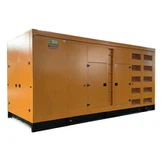
A silent diesel generator is a crucial piece of equipment for various applications, from providing backup power to homes during outages to supporting industrial operations in remote areas. One of the key components that ensure the efficient and reliable operation of a silent diesel generator is its cooling system. In this blog post, as a supplier of silent diesel generators, I'll delve into what the cooling system of a silent diesel generator is, how it works, and its significance.
The Role of the Cooling System in a Silent Diesel Generator
When a diesel engine in a generator operates, it burns diesel fuel to produce mechanical energy, which is then converted into electrical energy. This combustion process generates a significant amount of heat. If this heat is not properly managed, it can cause several issues. High temperatures can lead to engine overheating, which may damage engine components such as pistons, cylinders, and valves. It can also reduce the efficiency of the engine, increase fuel consumption, and shorten the overall lifespan of the generator.
The cooling system's primary role is to remove excess heat from the engine and maintain it at an optimal operating temperature. By doing so, it ensures the engine runs smoothly, efficiently, and reliably over an extended period.


Types of Cooling Systems in Silent Diesel Generators
There are two main types of cooling systems used in silent diesel generators: air - cooled and water - cooled systems.
Air - Cooled Systems
Air - cooled systems are relatively simple in design. They use a fan to draw in ambient air and direct it over the engine's cylinder fins. The cylinder fins are designed to increase the surface area of the engine, allowing for more efficient heat transfer. As the air passes over the fins, it absorbs the heat from the engine and carries it away.
One of the advantages of air - cooled systems is their simplicity and low cost. They have fewer components, which means less maintenance and a lower risk of leaks. They are also more suitable for small - to medium - sized silent diesel generators, especially those used in portable or light - duty applications. For example, some of our smaller models like ZD - 30 37.5KVA 30KW Portable Silent Diesel Engine Welding Generator Sets often come with air - cooled systems due to their portability requirements.
However, air - cooled systems have some limitations. They are less efficient at cooling compared to water - cooled systems, especially in high - ambient - temperature environments. They also tend to be noisier because of the fan operation, although in silent diesel generators, noise - reducing enclosures are used to mitigate this issue.
Water - Cooled Systems
Water - cooled systems are more complex but offer better cooling performance. In a water - cooled system, a coolant (usually a mixture of water and antifreeze) circulates through the engine block and cylinder head, absorbing heat from the engine components. The heated coolant then flows to a radiator, where a fan blows air over the radiator's fins to cool the coolant down. After cooling, the coolant is pumped back into the engine to continue the heat - removal process.
Water - cooled systems are more efficient at dissipating heat, making them suitable for large - capacity silent diesel generators and those operating in harsh environmental conditions. They also provide more consistent cooling, which helps to improve engine performance and reliability. Our ZD - 20 Soundproof 20kw Water Cooled Silent Diesel Generators for Home Use, ZD - 120 150kva Water Cooled Diesel Generators Set with Silent, ZD - 80 100kva Diesel Engnine Powered Generators Soundless Genset, and ZD - 1000 Silent Diesel Engine Generator Set 1000kw are all equipped with water - cooled systems to ensure optimal performance.
However, water - cooled systems require more maintenance. The coolant needs to be checked and replaced regularly, and the radiator and hoses need to be inspected for leaks and blockages.
Components of a Cooling System
Whether it's an air - cooled or water - cooled system, several key components work together to ensure effective cooling.
Radiator
In a water - cooled system, the radiator is a vital component. It is a heat exchanger that transfers heat from the coolant to the surrounding air. The radiator consists of a series of tubes and fins. The coolant flows through the tubes, and the fins increase the surface area for better heat transfer. A fan is often used to force air through the radiator to enhance the cooling process.
Water Pump
The water pump is responsible for circulating the coolant through the engine and the radiator. It is usually driven by the engine's crankshaft via a belt or a chain. The water pump ensures a continuous flow of coolant, maintaining a consistent temperature throughout the engine.
Thermostat
The thermostat is a temperature - sensitive valve. It regulates the flow of coolant through the engine and the radiator. When the engine is cold, the thermostat remains closed, allowing the coolant to circulate only within the engine to warm it up quickly. Once the engine reaches its optimal operating temperature, the thermostat opens, allowing the coolant to flow to the radiator for cooling.
Fan
In both air - cooled and water - cooled systems, the fan plays a crucial role in the cooling process. In air - cooled systems, the fan blows air directly over the engine fins. In water - cooled systems, the fan helps to cool the radiator by forcing air through it.
Maintenance of the Cooling System
Proper maintenance of the cooling system is essential to ensure the long - term reliability and performance of a silent diesel generator. Here are some maintenance tips:
- Check the coolant level regularly: In water - cooled systems, the coolant level should be checked at least once a month. If the coolant level is low, it may indicate a leak in the system.
- Inspect the radiator and hoses: Look for any signs of damage, such as cracks or leaks, in the radiator and hoses. Replace any damaged components immediately.
- Clean the radiator fins: Over time, dirt, dust, and debris can accumulate on the radiator fins, reducing their heat - transfer efficiency. Clean the radiator fins regularly using compressed air or a soft brush.
- Replace the coolant: Coolant should be replaced according to the manufacturer's recommendations. Over time, the coolant can break down and lose its effectiveness in preventing corrosion and freezing.
- Check the fan and water pump: Ensure that the fan and water pump are operating correctly. Listen for any unusual noises or vibrations, which may indicate a problem.
Conclusion
The cooling system is an integral part of a silent diesel generator. It plays a vital role in maintaining the engine at an optimal operating temperature, ensuring its efficiency, reliability, and longevity. As a supplier of silent diesel generators, we understand the importance of a well - functioning cooling system. We offer a wide range of silent diesel generators with different cooling systems to meet the diverse needs of our customers.
If you are interested in purchasing a silent diesel generator or have any questions about our products, please feel free to contact us for procurement and negotiation. Our team of experts is ready to provide you with the best solutions and support.
References
- Diesel Generator Handbook, McGraw - Hill Professional
- Principles of Internal Combustion Engines, Pearson Education
-