As a seasoned supplier of piston air compressors, I've witnessed firsthand the critical role that every component plays in the efficient operation of these machines. One such component that often goes unnoticed but is of utmost importance is the valve plate. In this blog post, I'll delve into the functions of a valve plate on a piston air compressor, shedding light on its significance and how it contributes to the overall performance of the compressor.


Understanding the Basics of a Piston Air Compressor
Before we dive into the functions of the valve plate, let's briefly review how a piston air compressor works. A piston air compressor is a positive displacement compressor that uses a piston within a cylinder to compress air. The piston moves up and down within the cylinder, creating a vacuum on the intake stroke and compressing the air on the compression stroke. The compressed air is then discharged through an outlet valve.
The Role of the Valve Plate
The valve plate is a crucial component located between the cylinder head and the cylinder. It contains a series of valves that control the flow of air into and out of the cylinder. The primary functions of the valve plate can be summarized as follows:
1. Intake and Discharge Control
The valve plate is responsible for controlling the intake and discharge of air in the compressor. During the intake stroke, the intake valve opens, allowing air to enter the cylinder. As the piston moves upward on the compression stroke, the intake valve closes, preventing the air from escaping back into the intake system. At the same time, the discharge valve opens, allowing the compressed air to flow out of the cylinder and into the discharge line.
The proper functioning of these valves is essential for efficient compression. If the intake valve fails to open fully or closes too early, it can restrict the flow of air into the cylinder, reducing the compressor's capacity. Similarly, if the discharge valve fails to open or close properly, it can cause backflow of compressed air, leading to decreased efficiency and increased energy consumption.
2. Sealing
Another important function of the valve plate is to provide a seal between the cylinder and the cylinder head. This prevents air leakage during the compression process, ensuring that the compressor can achieve the desired pressure. A good seal also helps to reduce noise and vibration, improving the overall operating conditions of the compressor.
The valve plate is typically made of high-quality materials such as cast iron or steel to ensure durability and resistance to wear. It is also designed with precise machining to ensure a tight fit between the valve plate and the cylinder head.
3. Pressure Regulation
The valve plate plays a role in regulating the pressure within the compressor. The design of the valves and the valve plate determines the pressure at which the intake and discharge valves open and close. This helps to maintain a consistent pressure in the compressor, ensuring that it operates within the specified range.
By adjusting the valve timing and the spring tension of the valves, the compressor can be optimized for different applications and operating conditions. For example, a compressor used in a high-pressure application may require a different valve plate design than one used in a low-pressure application.
Impact on Compressor Performance
The performance of the valve plate has a significant impact on the overall performance of the piston air compressor. A well-designed and properly functioning valve plate can improve the compressor's efficiency, reliability, and durability. Here are some ways in which the valve plate affects compressor performance:
1. Efficiency
A high-quality valve plate with efficient valves can reduce the energy consumption of the compressor. By minimizing air leakage and optimizing the flow of air into and out of the cylinder, the compressor can operate more efficiently, using less energy to achieve the same level of compression.
2. Capacity
The valve plate design can also affect the compressor's capacity. A valve plate with larger valves or a more efficient valve design can allow for a greater volume of air to be compressed and discharged, increasing the compressor's capacity.
3. Reliability
The durability and reliability of the valve plate are crucial for the long-term operation of the compressor. A valve plate that is made of high-quality materials and is designed to withstand the harsh operating conditions of the compressor can reduce the risk of valve failure and other mechanical problems.
4. Noise and Vibration
A properly functioning valve plate can help to reduce noise and vibration in the compressor. By providing a good seal and controlling the flow of air, the valve plate can minimize the pressure fluctuations and turbulence that can cause noise and vibration.
Examples of Piston Air Compressors with Valve Plates
At our company, we offer a wide range of piston air compressors that are equipped with high-quality valve plates. Here are some examples of our products:
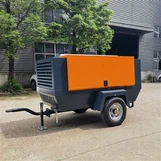
- 2V-3.5/5 Mobile Diesel Motor Air Compressor with Piston Head: This mobile air compressor is powered by a diesel motor and is suitable for a variety of applications, including construction, mining, and agriculture. It features a robust valve plate design that ensures efficient compression and reliable operation.
- W-3.5/5 Mining Piston Type Air Compressor Head 3 Pistons for Rock Drilling: Designed specifically for mining applications, this air compressor is equipped with a three-piston head and a high-performance valve plate. It provides a high volume of compressed air at a consistent pressure, making it ideal for rock drilling and other mining operations.
- W-2.8/5 Diesel 15kw Belt Driven Piston Air Compressor Pneumatic Jack Hammer: This diesel-powered air compressor is belt-driven and is suitable for powering pneumatic tools such as jack hammers. It features a reliable valve plate that ensures smooth operation and long service life.
Conclusion
In conclusion, the valve plate is a critical component of a piston air compressor. It plays a vital role in controlling the intake and discharge of air, providing a seal, and regulating the pressure within the compressor. A well-designed and properly functioning valve plate can improve the compressor's efficiency, reliability, and durability.
If you're in the market for a piston air compressor, it's important to choose a compressor that is equipped with a high-quality valve plate. At our company, we are committed to providing our customers with the best piston air compressors on the market. Our compressors are designed and manufactured to the highest standards, ensuring reliable performance and long service life.
If you have any questions about our piston air compressors or would like to discuss your specific requirements, please don't hesitate to contact us. We look forward to working with you to find the perfect compressor solution for your needs.
References
- Compressor Handbook, edited by Klaus Brun and Eckard W. Malanowski
- Pneumatic Systems: Principles and Applications, by Thomas G. Cooper