When operating a water well drilling rig, safety should always be a top priority. As a water well drilling rig supplier, we understand the importance of ensuring that every operation is carried out safely and efficiently. In this blog, we will discuss the key safety measures that should be taken when using a water well drilling rig to minimize risks and protect the well - being of the operators.
Pre - operation Safety Checks
Before starting any drilling operation, a comprehensive pre - operation safety check is essential. This includes inspecting the drilling rig itself, the associated equipment, and the work area.
Equipment Inspection
- Rig Structure: Examine the frame, mast, and other structural components of the drilling rig for any signs of cracks, corrosion, or loose parts. Make sure all bolts and fasteners are tightened properly.
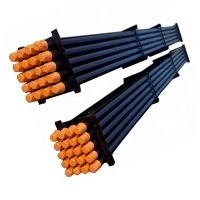
- Drilling Tools: Check the drill bits, drill pipes, and other drilling tools. Look for signs of wear and tear, such as dull bits or damaged pipes. Worn - out drill bits not only reduce drilling efficiency but can also pose a safety hazard if they break during operation. Replace any defective tools.
- Hydraulic and Electrical Systems: Inspect the hydraulic hoses for leaks, and ensure that the hydraulic fluid levels are appropriate. In the electrical system, check for frayed wires, loose connections, and proper grounding. Electrical malfunctions can cause shocks or fires, so it is crucial to address any issues promptly.
Work Area Evaluation
- Site Selection: Choose a stable and level area for the drilling site. Avoid areas prone to flooding, landslides, or other natural disasters. The ground should be able to support the weight of the drilling rig and associated equipment.
- Obstacle Clearance: Remove any obstacles, such as rocks, debris, or vegetation, from the drilling area. Also, identify and mark any underground utilities, such as gas lines, water lines, or electrical cables, to prevent accidental damage.
Operator Training and Qualifications
Operators of water well drilling rigs should be properly trained and qualified. This includes both theoretical knowledge and practical skills.


Theoretical Training
- Rig Operation and Mechanics: Operators should understand how the drilling rig works, including its various components, such as the engine, hydraulic system, and rotational mechanism. They should be familiar with the rig's operating manuals and safety guidelines. For instance, knowing how to adjust the drilling speed and pressure according to different soil conditions is crucial for safe and efficient operation.
- Safety Regulations: Operators need to be aware of all relevant safety regulations, both local and national. These regulations cover areas such as personal protective equipment (PPE), environmental protection, and emergency procedures.
Practical Training
- Hands - on Experience: New operators should receive hands - on training under the supervision of experienced technicians. They should practice starting and stopping the rig, controlling the drilling process, and handling emergency situations. This practical experience helps operators become more confident and proficient in operating the rig safely.
Personal Protective Equipment (PPE)
Wearing appropriate personal protective equipment is a fundamental safety measure when operating a water well drilling rig.
Head Protection
- Hard Hats: Operators should always wear hard hats to protect their heads from falling objects, such as tools or debris from the drilling process. Hard hats should meet the relevant safety standards and be in good condition.
- Eye and Ear Protection
- Safety Goggles: Safety goggles protect the eyes from flying particles, dust, and splashes of drilling fluids. They should fit properly and provide adequate coverage.
- Earplugs or Earmuffs: Drilling rigs can generate high - level noise, which can cause hearing damage over time. Operators should wear earplugs or earmuffs to reduce the noise exposure.
Respiratory Protection
- Dust Masks or Respirators: Depending on the drilling conditions, operators may be exposed to dust, fumes, or other airborne contaminants. Dust masks or respirators should be worn to protect the respiratory system. For example, when drilling in areas with high levels of silica dust, a proper respirator is essential.
Hand and Foot Protection
- Gloves: Gloves protect the hands from cuts, abrasions, and chemical exposure. Different types of gloves may be required depending on the specific tasks, such as work gloves for general handling and chemical - resistant gloves when dealing with drilling fluids.
- Safety Boots: Safety boots with steel toes and puncture - resistant soles protect the feet from falling objects, sharp tools, and potential punctures.
Safe Drilling Operations
During the actual drilling process, several safety measures should be followed to ensure a smooth and safe operation.
Operating Procedures
- Start - up and Shut - down: Follow the correct start - up and shut - down procedures outlined in the rig's operating manual. This includes checking all systems, warming up the engine, and shutting down the rig in a proper sequence to avoid damage to the equipment.
- Drilling Speed and Pressure: Adjust the drilling speed and pressure according to the soil or rock conditions. Excessive speed or pressure can cause the drill bit to overheat, break, or cause the rig to become unstable.
- Monitoring and Inspection: Continuously monitor the drilling process, including the drilling parameters, the condition of the drill string, and the performance of the rig. Regularly inspect the drill bits and pipes for signs of wear or damage during breaks in the operation.
Communication and Coordination
- Team Communication: In a drilling operation, there are usually multiple team members involved, such as the operator, the assistant, and the equipment maintenance personnel. Clear and effective communication among team members is essential. Use two - way radios or other communication devices to keep in touch during the operation.
- Emergency Response: Establish an emergency response plan in case of accidents or equipment failures. All team members should be familiar with the plan and know their roles and responsibilities. Conduct regular emergency drills to ensure a prompt and effective response.
Post - operation Safety Measures
After the drilling operation is completed, certain safety measures should still be taken.
Equipment Maintenance and Storage
- Cleaning and Maintenance: Clean the drilling rig and associated equipment to remove dirt, debris, and drilling fluids. Perform routine maintenance tasks, such as lubricating moving parts, checking fluid levels, and tightening bolts. This helps to extend the lifespan of the equipment and ensures its safe operation in the next use.
- Proper Storage: Store the drilling rig and equipment in a dry, secure location. Protect them from the elements and potential damage. For example, cover the rig with a tarp to prevent rust and corrosion.
Safety Documentation and Reporting
- Record - keeping: Keep detailed records of the drilling operation, including the start and end times, drilling parameters, equipment maintenance, and any safety incidents. These records can be used for future reference, equipment performance evaluation, and compliance with safety regulations.
- Incident Reporting: If any safety incidents occur during the operation, report them immediately. Analyze the causes of the incidents and take corrective actions to prevent similar incidents from happening in the future.
Conclusion
Operating a water well drilling rig involves various risks, but by following the proper safety measures, these risks can be significantly reduced. A
If you are interested in our water well drilling rigs or need more information on safety measures for drilling operations, we welcome you to contact us for procurement and to discuss your specific needs. We are committed to providing you with the best solutions and ensuring your drilling operations are safe and successful.
References
- Occupational Safety and Health Administration (OSHA) guidelines for drilling operations.
- Manufacturer's operating manuals for water well drilling rigs.
-
Explore our water well drilling rig