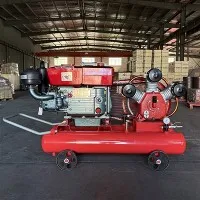
Hey there! As a supplier of screw air compressors, I often get asked about the startup steps of these nifty machines. So, I thought I'd put together a blog post to walk you through the process. Whether you're a newbie or just need a refresher, this guide should help you get your screw air compressor up and running smoothly.
Pre - Startup Checks
Before you even think about hitting that start button, there are a few things you need to check. First off, take a good look at the compressor's exterior. Make sure there are no obvious signs of damage, like dents, cracks, or loose parts. You don't want to start a machine that's in bad shape, as it could lead to all sorts of problems down the line.
Next, check the oil level. Screw air compressors rely on oil for lubrication and cooling, so it's crucial that the oil level is within the recommended range. Most compressors have a sight glass or dipstick that makes it easy to check. If the oil is low, add the appropriate type of oil as specified in the user manual.
Also, inspect the air intake filter. A dirty or clogged filter can restrict airflow, which can cause the compressor to work harder and reduce its efficiency. If the filter looks dirty, clean or replace it as needed.
Another important thing to check is the electrical connections. Make sure all the wires are properly connected and there are no loose or frayed wires. Faulty electrical connections can be a safety hazard and can also cause the compressor to malfunction.
Startup Procedure
Once you've completed the pre - startup checks, it's time to start the compressor. Here's a step - by - step guide:
-
Turn on the Power: First, make sure the main power switch for the compressor is in the "Off" position. Then, plug the compressor into a suitable power source. If it's a diesel - powered compressor, make sure there's enough fuel in the tank.
-
Open the Drain Valves: Before starting, open the drain valves on the air receiver tank and any other moisture separators. This will allow any accumulated water or condensate to drain out. Once the water has stopped flowing, close the drain valves.
-
Set the Pressure: Use the pressure switch or control panel to set the desired operating pressure. This will depend on the specific application you're using the compressor for. Make sure you don't set the pressure too high, as it can damage the compressor and other equipment.


-
Start the Compressor: For an electric compressor, simply turn the main power switch to the "On" position. The compressor should start up automatically. For a diesel - powered compressor, you'll need to follow the startup procedure for the diesel engine, which usually involves turning the ignition key or pressing a start button.
-
Monitor the Operation: Once the compressor has started, keep an eye on it for the first few minutes. Listen for any unusual noises, such as rattling, grinding, or knocking. These could be signs of a problem. Also, check the pressure gauge to make sure the pressure is building up as expected.
Post - Startup Checks
After the compressor has been running for a while, there are a few more checks you should do:
-
Check the Oil Temperature and Pressure: Use the oil temperature and pressure gauges to make sure the oil is at the right temperature and pressure. If the oil temperature is too high or the pressure is too low, it could indicate a problem with the lubrication system.
-
Inspect the Air Output: Check the quality of the compressed air. Look for any signs of oil or moisture in the air. If there's oil in the air, it could mean there's a problem with the oil separator. If there's too much moisture, you may need to adjust the moisture separator or install additional drying equipment.
-
Check for Leaks: Look for any signs of air or oil leaks around the compressor. You can use a soapy water solution to check for air leaks. If you see bubbles forming, there's a leak. Tighten any loose fittings or replace any damaged seals as needed.
Recommended Models
If you're in the market for a new screw air compressor, we have some great options. Check out our ZD - 40/25 Diesel 25 Bar Large Screw Air Compressor with Two Stage Head. It's a powerful and reliable compressor that's perfect for heavy - duty applications.
Another great option is the ZD - 10/10 375 Cfm Diesel Portable Screw Air Compressor Machine For Mining. It's portable and easy to use, making it ideal for mining operations.
And if you're looking for a compressor for a drilling machine, our Kaishan Portable Diesel Engine Screw Air Compressor For Drilling Machine is a top - notch choice.
Contact for Purchase
If you're interested in any of our screw air compressors or have any questions about the startup process or the machines in general, don't hesitate to get in touch. We're here to help you make the right choice and ensure that your compressor runs smoothly. Contact us to start the purchase and negotiation process.
References
- Compressor User Manuals
- Industry Standards and Best Practices for Screw Air Compressors