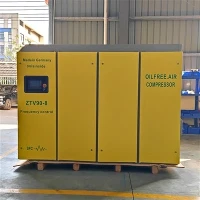
As a supplier of inverter screw compressors, I often encounter customers who are curious about the discharge temperature of these machines. Understanding the discharge temperature is crucial because it affects the compressor's performance, efficiency, and lifespan. In this blog, I will explain what the discharge temperature of an inverter screw compressor is, what factors influence it, and why it matters in industrial applications.
What is the Discharge Temperature of an Inverter Screw Compressor?
The discharge temperature of an inverter screw compressor refers to the temperature of the compressed air as it exits the compressor unit. When air is compressed, its temperature rises significantly due to the increase in pressure and the energy input by the compressor. In inverter screw compressors, which are designed to vary their speed according to the demand for compressed air, the discharge temperature can fluctuate based on several operational and environmental factors.
Factors Influencing Discharge Temperature
Compression Ratio
The compression ratio is one of the most significant factors affecting the discharge temperature. It is defined as the ratio of the absolute discharge pressure to the absolute suction pressure. A higher compression ratio means that the air is being compressed more, which leads to a greater increase in temperature. For example, if a compressor is operating at a low - load condition where the compression ratio is relatively low, the discharge temperature will typically be lower compared to a high - load situation.
Inlet Air Temperature
The temperature of the air entering the compressor also has a direct impact on the discharge temperature. Warmer inlet air means that the starting point for the compression process is at a higher temperature. Since the compression further increases the temperature, a higher inlet air temperature will result in a higher discharge temperature. In industrial settings, it is important to ensure that the compressor intake is located in an area with relatively cool and clean air to minimize this effect.
Cooling System Efficiency
Inverter screw compressors are equipped with cooling systems to remove the heat generated during the compression process. The efficiency of these cooling systems plays a vital role in controlling the discharge temperature. If the cooling system, whether it is air - cooled or water - cooled, is not functioning properly, heat will accumulate in the compressor, leading to an elevated discharge temperature. For instance, clogged cooling fins in an air - cooled system or a low water flow rate in a water - cooled system can cause the discharge temperature to rise.
Compressor Speed
As inverter screw compressors can adjust their speed, the compressor speed also affects the discharge temperature. At higher speeds, the compressor compresses air more rapidly, which generates more heat. Conversely, when the compressor operates at a lower speed, the heat generation rate is reduced, resulting in a lower discharge temperature. This variable - speed operation is one of the advantages of inverter screw compressors as it allows for better temperature control and energy efficiency.
Why Discharge Temperature Matters
Equipment Longevity
Excessive discharge temperature can have a detrimental effect on the compressor's components. High temperatures can cause the lubricating oil to break down more quickly, losing its ability to lubricate and protect the moving parts. This can lead to increased wear and tear on the screws, bearings, and seals, reducing the overall lifespan of the compressor. By maintaining an appropriate discharge temperature, the compressor can operate for a longer time without the need for frequent repairs or replacements.
Compressed Air Quality
The discharge temperature can also impact the quality of the compressed air. High temperatures can cause moisture in the air to condense more readily, leading to the presence of water droplets in the compressed air system. This water can cause corrosion in pipes, valves, and pneumatic tools, as well as contaminate the products being manufactured using the compressed air. Controlling the discharge temperature helps to maintain the quality of the compressed air and prevent these issues.
Energy Efficiency
An optimal discharge temperature is essential for energy efficiency. When the discharge temperature is too high, the compressor has to work harder to cool down the compressed air, consuming more energy in the process. By keeping the discharge temperature within the recommended range, the compressor can operate more efficiently, reducing energy costs and improving the overall performance of the system.
Recommended Discharge Temperature Ranges
The recommended discharge temperature for inverter screw compressors typically falls between 80 - 95 degrees Celsius (176 - 203 degrees Fahrenheit). However, this can vary depending on the specific model and application of the compressor. It is important to refer to the manufacturer's guidelines for the exact temperature range for your compressor. Operating the compressor outside of this recommended range can lead to the problems mentioned above, such as reduced equipment lifespan, poor compressed air quality, and increased energy consumption.


Our Inverter Screw Compressor Products
We offer a range of high - quality inverter screw compressors, each designed to meet different industrial needs. Here are some of our popular products:
- ZD15 15hp 11kw Electric Permanent Magnet Variable Frequency Screw Type Air Compressor: This compressor is known for its energy - efficient operation and reliable performance. It is suitable for small to medium - sized industrial applications.
- ZD30 Industrial Screw - air Compressors De Aire Compreso 22kw 30hp: With a higher power output, this compressor is ideal for larger industrial operations where a greater volume of compressed air is required.
- LB10 industrial 7.5kw 10hp air - compressor machine screw type: This is a compact and efficient compressor, perfect for workshops and small manufacturing facilities.
How to Control Discharge Temperature
To ensure that the discharge temperature of your inverter screw compressor remains within the recommended range, here are some tips:
- Regular Maintenance: Keep the cooling system clean and well - maintained. For air - cooled compressors, clean the cooling fins regularly to prevent dust and debris buildup. For water - cooled compressors, check the water flow rate and the condition of the cooling water.
- Proper Installation: Install the compressor in a well - ventilated area with sufficient space for air circulation. Avoid placing the compressor near heat sources or in areas with high ambient temperatures.
- Monitor and Adjust: Use temperature sensors to monitor the discharge temperature continuously. If the temperature is approaching the upper limit, adjust the compressor speed or the load as needed.
Contact Us for Purchase and Consultation
Understanding the discharge temperature of an inverter screw compressor is essential for the efficient and reliable operation of your compressed air system. If you are looking to purchase an inverter screw compressor or have any questions about our products, please feel free to reach out to us. We are dedicated to providing high - quality products and professional service to meet your industrial needs.
References
- Compressed Air and Gas Institute (CAGI). "Compressor Handbook."
- ASME (American Society of Mechanical Engineers) standards on compressors and air systems.