In the realm of industrial equipment, screw air compressors stand as indispensable workhorses, powering a multitude of operations across various sectors. As a seasoned supplier of screw air compressors, I've witnessed firsthand the transformative impact of these machines on efficiency and productivity. One crucial component that significantly enhances the performance of screw air compressors is the frequency converter. In this blog post, I'll delve into the functions of the frequency converter in a screw air compressor, exploring how it optimizes operation, saves energy, and extends the lifespan of the equipment.
Understanding the Basics of Screw Air Compressors
Before we dive into the role of the frequency converter, let's briefly review how screw air compressors work. These compressors utilize two interlocking helical rotors to compress air. As the rotors turn, air is drawn into the compression chamber, trapped between the rotors, and gradually compressed as it moves along the rotors' length. The compressed air is then discharged at a higher pressure for use in various applications.
Screw air compressors are known for their reliability, efficiency, and ability to deliver a continuous supply of compressed air. However, their performance can be further optimized with the integration of a frequency converter.
What is a Frequency Converter?
A frequency converter, also known as a variable frequency drive (VFD), is an electronic device that controls the speed of an electric motor by adjusting the frequency and voltage of the power supplied to it. In the context of a screw air compressor, the frequency converter regulates the speed of the compressor's motor, allowing it to operate at variable speeds based on the demand for compressed air.
Functions of the Frequency Converter in a Screw Air Compressor
1. Energy Efficiency
One of the primary functions of the frequency converter in a screw air compressor is to improve energy efficiency. Traditional fixed-speed compressors operate at a constant speed, regardless of the actual demand for compressed air. This means that when the demand is low, the compressor continues to consume the same amount of energy as when the demand is high, resulting in energy wastage.
In contrast, a screw air compressor equipped with a frequency converter can adjust its motor speed according to the air demand. When the demand for compressed air is low, the frequency converter reduces the motor speed, which in turn reduces the power consumption of the compressor. This variable-speed operation allows the compressor to match the output to the actual demand, resulting in significant energy savings. Studies have shown that the use of a frequency converter in a screw air compressor can reduce energy consumption by up to 30%, making it a cost-effective solution for businesses looking to reduce their energy bills.
2. Precise Pressure Control
Another important function of the frequency converter is to provide precise pressure control. In many industrial applications, maintaining a stable and consistent air pressure is crucial for the proper operation of equipment and processes. A frequency converter allows the screw air compressor to adjust its output pressure quickly and accurately in response to changes in demand.
When the air demand increases, the frequency converter increases the motor speed, which in turn increases the compressor's output and maintains the desired pressure. Conversely, when the demand decreases, the frequency converter reduces the motor speed to lower the output and prevent over-pressurization. This precise pressure control ensures that the compressed air system operates within the optimal pressure range, improving the efficiency and reliability of the equipment.
3. Soft Start and Stop
The frequency converter also provides a soft start and stop function for the screw air compressor. In a traditional fixed-speed compressor, the motor starts and stops abruptly, which can cause mechanical stress on the compressor components and electrical stress on the power supply system. This sudden start and stop can lead to premature wear and tear of the equipment and increase the risk of breakdowns.
A frequency converter, on the other hand, allows the compressor motor to start and stop gradually. During startup, the frequency converter gradually increases the frequency and voltage supplied to the motor, allowing it to reach its operating speed smoothly. Similarly, during shutdown, the frequency converter gradually reduces the frequency and voltage, bringing the motor to a stop without causing any sudden shocks or vibrations. This soft start and stop function not only extends the lifespan of the compressor components but also reduces the impact on the power supply system, improving the overall reliability of the equipment.
4. Reduced Noise and Vibration
Variable-speed operation of the screw air compressor using a frequency converter can also reduce noise and vibration levels. When a compressor operates at a constant speed, it generates a fixed amount of noise and vibration, which can be a nuisance in the workplace and may even cause health problems for employees.
By adjusting the motor speed according to the air demand, the frequency converter allows the compressor to operate at lower speeds when the demand is low. This reduces the noise and vibration levels generated by the compressor, creating a more comfortable and safer working environment. Additionally, the soft start and stop function provided by the frequency converter further reduces the noise and vibration associated with the startup and shutdown of the compressor.
Real-World Applications
The benefits of using a frequency converter in a screw air compressor are evident in a wide range of industries. For example, in the manufacturing industry, where compressed air is used for pneumatic tools, automation systems, and process control, the energy savings and precise pressure control provided by the frequency converter can significantly improve the efficiency and productivity of the production process.
In the mining industry, where compressed air is used for drilling, ventilation, and other operations, the reliability and durability of the screw air compressor are crucial. The soft start and stop function and reduced noise and vibration levels provided by the frequency converter can help extend the lifespan of the compressor and improve the working conditions for miners.
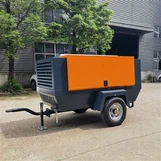
As a screw air compressor supplier, we offer a variety of models equipped with frequency converters to meet the diverse needs of our customers. For instance, our Kaishan Portable Diesel Engine Screw Air Compressor For Drilling Machine is designed for on-site drilling operations, providing reliable and efficient compressed air with the benefits of variable-speed control. Our ZD-20/20 Diesel Rotary Type Screw Air Compressor 20 Bar for Mining Operation and ZD-40/25 Diesel 25 Bar Large Screw Air Compressor with Two Stage Head are ideal for heavy-duty mining applications, offering high-pressure output and energy-efficient operation.
Conclusion
In conclusion, the frequency converter plays a vital role in optimizing the performance of a screw air compressor. By providing energy efficiency, precise pressure control, soft start and stop, and reduced noise and vibration, it offers numerous benefits for businesses in various industries. As a screw air compressor supplier, we understand the importance of these features and are committed to providing our customers with high-quality compressors equipped with frequency converters.


If you're in the market for a screw air compressor and want to learn more about the benefits of frequency converters, or if you have specific requirements for your application, we encourage you to contact us for a detailed discussion. Our team of experts is ready to assist you in selecting the right compressor for your needs and guiding you through the procurement process.
References
- "Variable Frequency Drives in Compressed Air Systems" by Compressed Air Challenge
- "Energy Efficiency in Screw Air Compressors" by International Journal of Energy Research